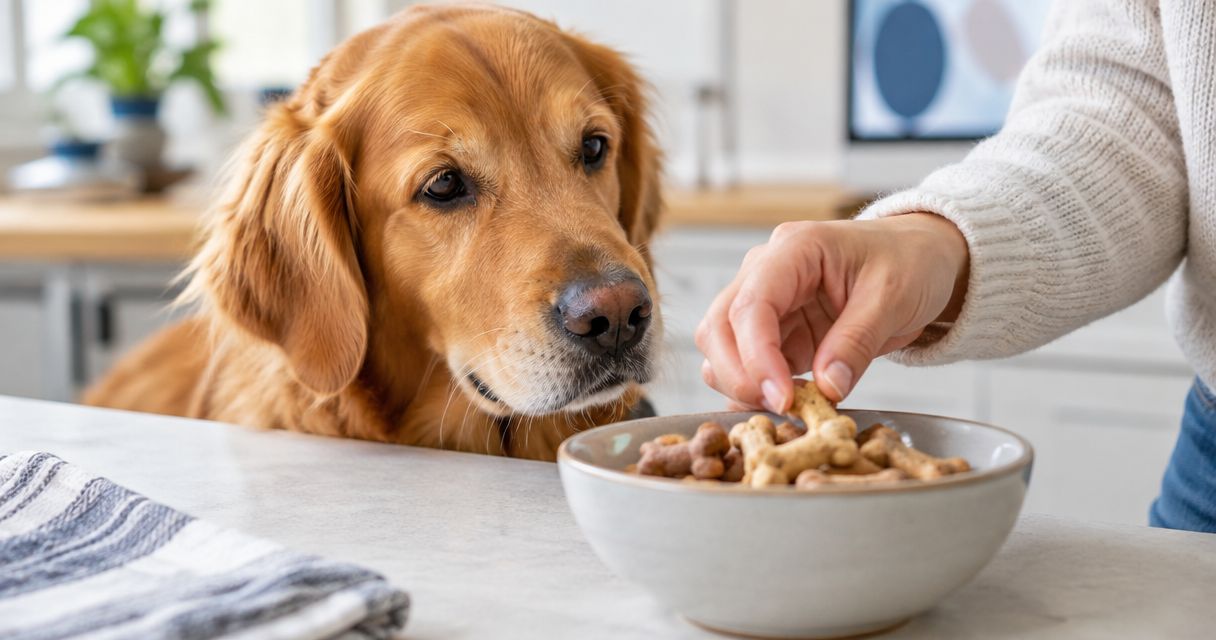
No—xylitol is not safe for dogs, including in dog treats, peanut butter, frosting, or birthday cake. It can cause a dangerous drop in blood sugar and liver injury; if your dog has eaten something containing xylitol, contact a veterinarian or emergency veterinary hospital immediately, even if your dog seems normal. Do not wait for symptoms or induce vomiting unless a veterinary professional tells you to.
- Is xylitol safe for dogs? No. The FDA warns that xylitol can poison dogs.
- Check peanut butter, frosting, and treat ingredients for xylitol, sometimes labeled birch sugar or wood sugar.
- Suspected ingestion needs immediate veterinary advice, even when your dog looks well.
- Dog Eat Cake offers custom dog birthday cakes; confirm ingredients for your dog's individual dietary needs.
Is xylitol safe in dog treats?
Xylitol is unsafe in dog treats, regardless of whether the treat is homemade, packaged, or served at a birthday pawty. The ingredient matters—not the shape of the biscuit, the bakery-style decoration, or a claim that the ingredients are natural.
The U.S. Food and Drug Administration's animal-health guidance explains that xylitol can trigger a powerful release of insulin in dogs. That insulin response can make blood sugar fall dangerously low, a condition called hypoglycemia. Xylitol exposure can also cause liver injury.
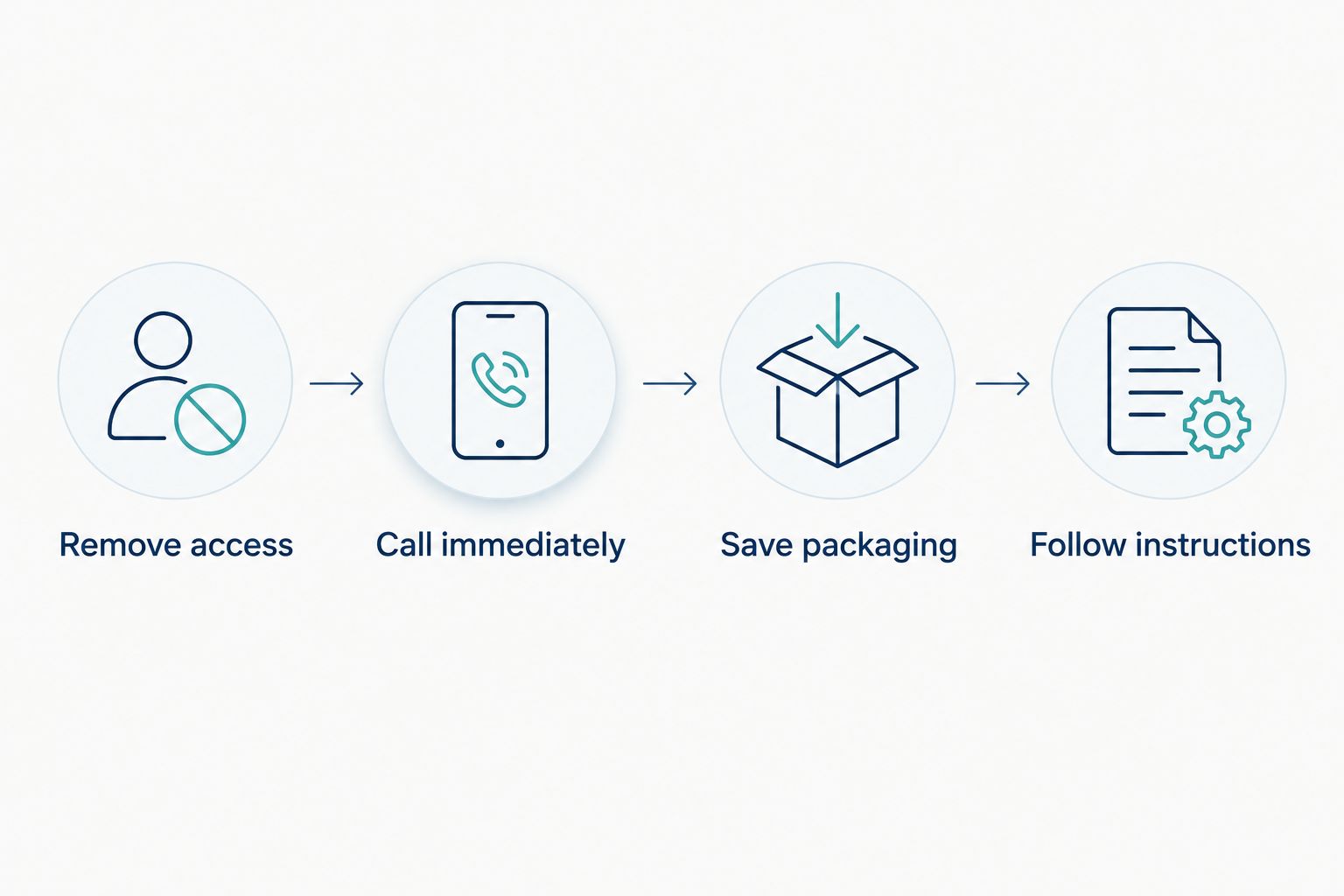
For your 2026 treat-safety checklist, use this sequence when you suspect exposure:
- Remove access. Take away the food and keep other pets away from it.
- Call immediately. Contact your veterinarian, an emergency veterinary hospital, or an animal poison-control service.
- Save packaging. Keep the ingredient list, container, recipe, or a clear photograph.
- Follow instructions. Give the veterinary team the details they request and follow their directions about transport and treatment.
Have your dog's weight, the estimated amount eaten, and the approximate time of ingestion ready. If you do not know an answer, say so; do not postpone the call while trying to reconstruct every detail.
A cake's topping deserves the same ingredient check as its base. The guide to whether dogs can eat frosting addresses that separate serving decision; suspected xylitol exposure needs veterinary attention, not another recipe search.
Why this matters
A food that is acceptable for a person is not automatically acceptable for a dog. Xylitol is used as a sweetener in human foods and other products, so the danger can enter your kitchen through an ingredient rather than a finished dog treat.
That distinction matters when you bake. Peanut butter added to a recipe, frosting spread over a cake, and a decoration placed on top each introduce their own ingredients. Checking the cake batter alone leaves part of the serving unchecked.
The FDA describes signs of low blood sugar appearing within 10 to 60 minutes after ingestion. It also warns that serious effects can be delayed for 12 to 24 hours in some cases. Those timeframes are warnings—not a waiting period or a home-monitoring plan.
A dog that looks fine still needs immediate veterinary advice after suspected xylitol ingestion. Keep that rule on your 2026 party checklist alongside the guest list and candles.
Where should you look for xylitol before offering a treat?
Read the complete ingredient list on every component you plan to serve. Front-of-pack words such as natural, reduced sugar, or sugar-free do not answer whether a particular food is suitable for your dog.
Use this comparison as a screening tool, not a guarantee that a food is safe. A product without xylitol can still contain other unsuitable ingredients or conflict with your dog's prescribed diet.
| Food or ingredient | What to check | What the check tells you | Limitation |
|---|---|---|---|
| Peanut butter | The complete ingredient list on the actual container | Whether xylitol is listed in that product | A familiar brand name does not replace checking the label |
| Frosting or icing | Sweeteners and every added ingredient | Whether a topping introduces xylitol | A suitable cake base does not make its frosting suitable |
| Packaged dog treats | Ingredients and any feeding directions | What the manufacturer declares for that specific treat | A dog-shaped biscuit or pet-themed package is not an ingredient list |
| Homemade birthday cake | Every ingredient package and the finished recipe | Whether a component contains xylitol | Substituting ingredients changes what needs checking |
| Sugar-free human snacks | The sweetener list | Whether xylitol is present | Sugar-free does not mean dog-safe |
Best for packaged foods: use the label on the product in your hand. Best for homemade treats: check each ingredient before mixing, then check anything added after baking.
The benefit of this approach is that it works across recipes and product formats. Its limit is equally important: a label check cannot tell you how to manage an exposure that has already happened. That decision belongs to a veterinary professional.
What names should you look for on the label?
Look for xylitol, birch sugar, and wood sugar. FDA guidance identifies birch sugar and wood sugar as names used for xylitol, so a label does not need to use the word xylitol to raise the same concern.
Do not treat a plant-derived name as a safety promise. Where an ingredient comes from does not change the reason it is dangerous to dogs.
For a 2026 label check, read the current package rather than relying on an old shopping list, a saved recipe photograph, or your memory of an earlier purchase. If the ingredient wording is unclear, keep the food away from your dog and ask the manufacturer for clarification.
If your dog has already eaten the product, make the veterinary call first. You can share the unclear wording with the veterinary team instead of trying to settle the ingredient question alone.
Why the risk from xylitol varies
The seriousness of an exposure depends on details a veterinary professional needs to assess. There is no useful household rule that a lick, bite, or small-looking piece is automatically safe.
The main factors include:
- Your dog's weight. The amount swallowed must be considered relative to body weight, not just the size of the missing piece.
- The amount of xylitol in the product. A bite of food does not reveal how much xylitol it contains; the ingredient list might not disclose its concentration.
- How much your dog swallowed. Missing food, torn packaging, and uncertain portions make the exposure harder to estimate.
- Time since ingestion. The veterinary team needs to know when exposure happened, or the earliest and latest possible times.
- Your dog's condition. Symptoms, medical history, and examination findings help the veterinarian decide what care is needed.
These factors explain why an online dose calculation is not a substitute for a call. Bring the package or recipe information, but let the veterinary team interpret the exposure.
What symptoms does xylitol poisoning cause?
Xylitol poisoning can cause vomiting, weakness, decreased activity, difficulty walking, collapse, and seizures. Those signs require urgent veterinary care, whether or not you are certain xylitol was involved.
The FDA's 10 to 60 minutes symptom window describes how quickly low blood sugar can develop. The possibility of delayed effects over 12 to 24 hours means that an initially normal appearance does not clear your dog of risk.
Do not use a normal appetite, a wagging tail, or a short symptom-free interval as a safety test. Tell the veterinary team what your dog ate and when; they will decide what assessment or monitoring is appropriate.
Do not induce vomiting or give a home remedy unless a veterinary professional specifically instructs you. A weak, unsteady, or seizing dog needs emergency care, not food forced into its mouth.
How do you plan a dog birthday treat without xylitol?
Start with ingredients, not decorations. Choose a treat intended for dogs, obtain its ingredient information, and consider your own dog's allergies, medical conditions, and veterinary dietary instructions before serving it.
For a 2026 birthday pawty, make one person responsible for checking the cake, toppings, and any extra treats guests bring. Ask guests not to share human sweets, and keep the serving area separate from bags, coats, and unattended snacks.
These checks make the celebration easier to manage:
- Keep the original packaging until after the event.
- Check peanut butter and toppings separately from the cake recipe.
- Ask about substitutions rather than assuming the usual recipe was followed.
- Set aside a separate, clearly identified portion for a dog with dietary restrictions.
- Keep treats out of reach until you are ready to serve them.
Dog Eat Cake is best for owners seeking custom dog birthday cakes from a South End, Boston dog bakery. The bakery also offers cookies and treats, with local pickup/delivery and nationwide shipping. Those ordering options do not replace an ingredient check for your individual dog.
When considering Dog Eat Cake dog treats or a custom cake, confirm the ingredients relevant to your dog's needs. A custom celebration is a reason to ask specific questions—not a reason to assume suitability for every diet.
Does baking remove xylitol from a dog treat?
Baking does not make a xylitol-containing recipe safe for dogs. If an ingredient contains xylitol, do not use it in a dog cake, cookie, frosting, or filling.
Do not try to rescue the recipe by baking longer, scraping off a topping, or cutting away the part you think contains the sweetener. Start again with checked ingredients and keep the unsuitable batch away from pets.
The same rule applies when the xylitol-containing ingredient was only a small part of the recipe. Diluting it through a larger batch is not a substitute for veterinary toxicology advice after an exposure.
Can a natural dog treat still be unsafe?
Natural does not establish that a treat is safe for your dog. Xylitol illustrates why ingredient identity matters more than reassuring wording on a package.
A treat also needs to fit the dog receiving it. An ingredient that is acceptable for one dog can conflict with another dog's allergy management or prescribed diet, even when xylitol is absent.
Use your 2026 treat checklist in this order: check for toxic ingredients, confirm individual dietary suitability, then decide how to serve the treat. The frosting color and party theme come after those checks.
FAQ
Is xylitol safe for dogs in a small amount?
No—do not assume a small amount of xylitol is safe for your dog. Contact a veterinarian immediately after suspected ingestion so the exposure can be assessed using your dog's weight, the product, and the amount eaten.
What should I do if my dog ate peanut butter containing xylitol?
Call your veterinarian or an emergency veterinary hospital immediately. Keep the peanut butter container and report your dog's weight, the approximate amount eaten, and when it happened; do not induce vomiting unless instructed.
How quickly does xylitol poisoning affect a dog?
Signs of low blood sugar can appear within 10 to 60 minutes, according to FDA guidance. Serious effects can also be delayed for 12 to 24 hours, so contact a veterinarian without waiting for symptoms.
Is birch sugar the same concern as xylitol for dogs?
Yes—birch sugar is a name used for xylitol and should trigger the same precautions. Wood sugar is another name to check for on ingredient lists.
Does sugar-free mean a treat is safe for my dog?
No—sugar-free does not mean dog-safe. Check the full ingredient list for xylitol and other unsuitable ingredients before offering any food to your dog.
What should I ask Dog Eat Cake before ordering for a dog with dietary restrictions?
Ask Dog Eat Cake about the ingredients in the cake, frosting, and decorations you intend to order. Explain your dog's specific restrictions and follow your veterinarian's advice about suitability.
One last thing
Keep the packaging even when the treats go into a prettier party container. If something goes wrong, the ingredient list gives the veterinary team more useful information than a photograph of the finished cake.
The safest response to suspected xylitol ingestion is a prompt veterinary call—not waiting to see whether your dog acts sick. Save the celebration planning for after that call.