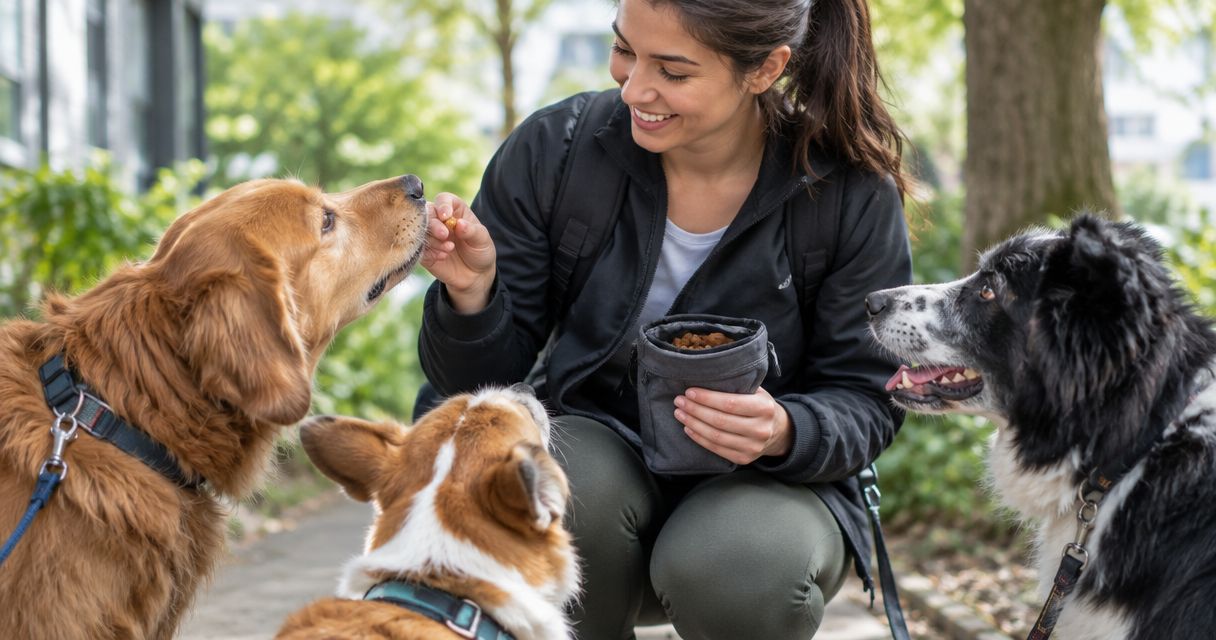
Pet sitters’ and dog walkers’ treat selection is the process of choosing owner-approved rewards to support safe, consistent care during walks and home visits. This 2026 guide explains how to handle different diets, carry treats without mixing them up, and reward good behavior without turning every visit into a snack parade.
- Choose dog treats for pet sitters and dog walkers by owner approval, dietary fit, and handling requirements—not appearance.
- Owner-provided treats are the best default for keeping a dog's existing food routine consistent.
- Dogeatcake is best for Boston pet sitters seeking owner-approved bakery treats for special occasions.
- Pack treats separately for each dog, record what you give, and never share food across a group walk.
Why treat selection matters for pet sitters and dog walkers
A pet sitter inherits someone else’s feeding routine. A dog walker works within it, often while handling leashes, street crossings, and several clients with different instructions. Your treat system needs to make those instructions easy to follow when your hands are full.
The best everyday reward is one the owner has already approved. A tempting cookie is not a substitute for knowing whether the dog follows a veterinary diet, has food restrictions, or already received treats that morning.
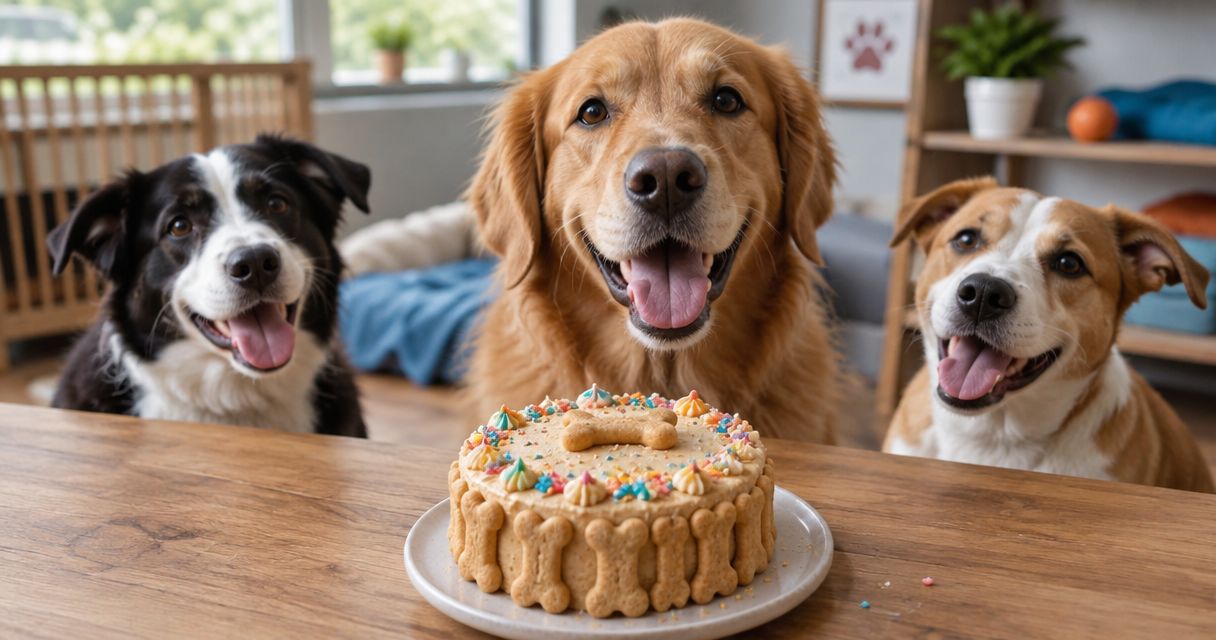
For special occasions, Dogeatcake sells custom dog birthday cakes, cookies, and treats from its South End, Boston bakery and online shop. Keep celebration treats separate from routine walking rewards: the owner should approve both the food and the portion before you serve anything.
Build a repeatable treat routine
Start with a written note or a simple spreadsheet. You do not need special equipment to record an approved food, a portion instruction, and a serving restriction.
Use the following steps for each client rather than creating one shared snack policy for every dog. A good 2026 care plan should be easy for a backup sitter to follow without guessing.
Confirm each owner’s food instructions
Ask what the dog can eat before the first visit. Record the exact treat or food the owner approves, not a broad description such as chicken snacks. Different recipes can contain different ingredients even when their names sound similar.
Ask about feeding restrictions, recent digestive problems, and any instructions from the dog’s veterinarian. You are collecting a care plan, not diagnosing an allergy. If the owner reports a prescribed diet, follow the veterinary instructions rather than choosing an alternative yourself.
A photo of the original packaging helps you identify the approved item later. Permission should also cover whether you can use part of the dog’s regular meal as rewards.
- Record the approved food and recipe.
- Ask about allergies and veterinary diet restrictions.
- Confirm portion instructions for each visit.
- Save the owner’s emergency contact details.
- Get permission before introducing anything new.
Set a shared daily treat allowance
Treats given by a walker still count when the owner feeds dinner. Ask how your visit fits into the dog’s full day, including rewards from family members, trainers, and other carers.
The World Small Animal Veterinary Association’s Global Nutrition Toolkit advises keeping treats and other additional foods within 10% of daily calories. That is a general ceiling, not an automatic allowance for your visit; a veterinarian’s individual feeding instructions take priority.
Agree on your share of the daily allowance instead of estimating from the dog’s size. If calorie information or feeding instructions are unclear, ask the owner to pre-portion the approved food. Do not calculate a new diet on the doorstep.
- Request a pre-portioned allowance for 1 visit.
- Include rewards used during pickup and drop-off.
- Ask whether regular meal food can supply rewards.
- Record unused portions rather than topping up automatically.
- Follow veterinary limits when they differ from general guidance.
Choose the treat format around the task
Start with the owner’s existing treats or an approved portion of the dog’s regular food. This keeps your routine familiar and avoids introducing a new recipe just because you have started walking the dog.
For repeated rewards, choose an owner-approved format that you can handle and portion as instructed. For a birthday visit, the task changes: you are arranging a supervised celebration, not filling a walking pouch. Dogeatcake bakery treats are an option for that occasion, subject to the owner’s approval of the specific item.
Do not assume that natural ingredients make a recipe suitable for every dog. Ingredient suitability, texture, and feeding instructions still need checking. For a closer look at reward timing, see the dog treats guide for professional trainers.
- Match routine rewards to the owner’s existing plan.
- Check whether the food breaks into appropriate pieces.
- Keep celebration food separate from walking rewards.
- Confirm the specific recipe before serving.
- Reject any option that conflicts with feeding restrictions.
Pack a separate supply for each dog
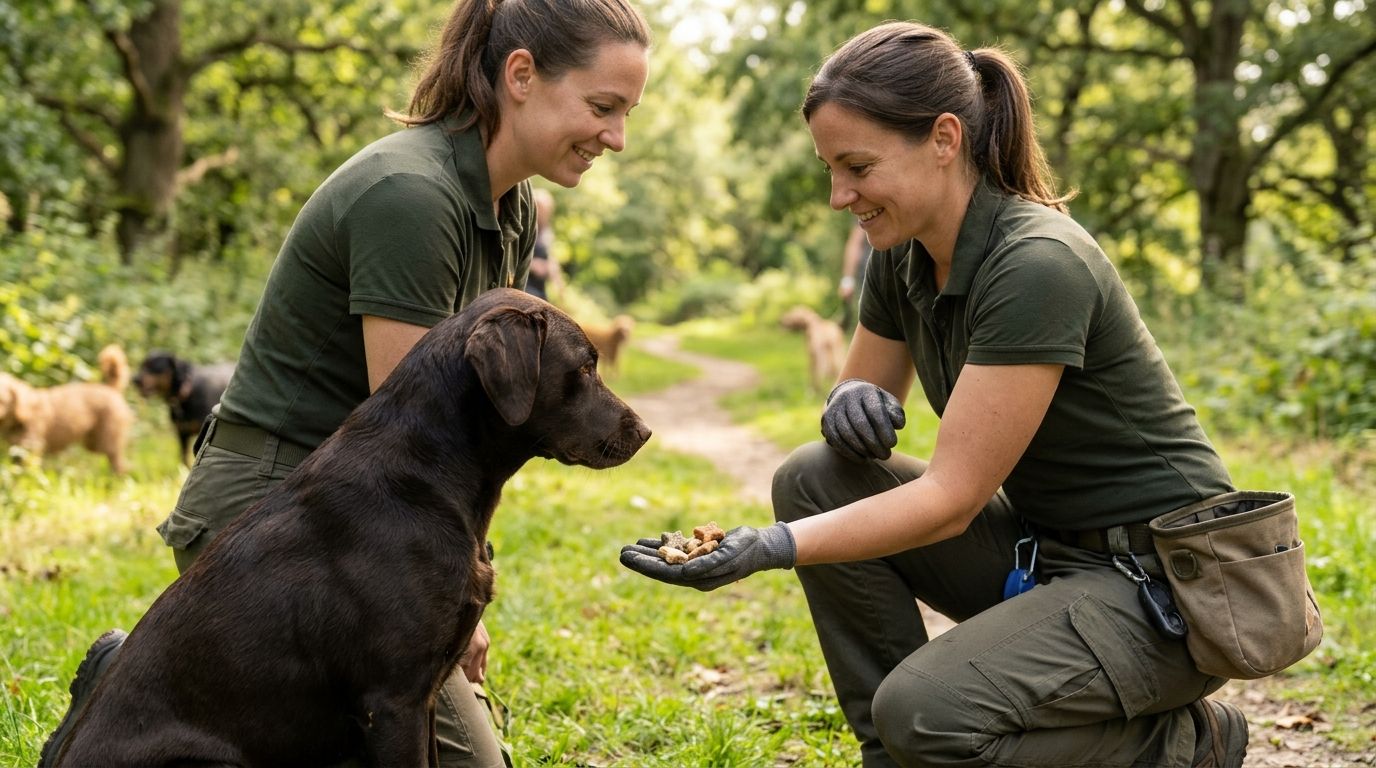
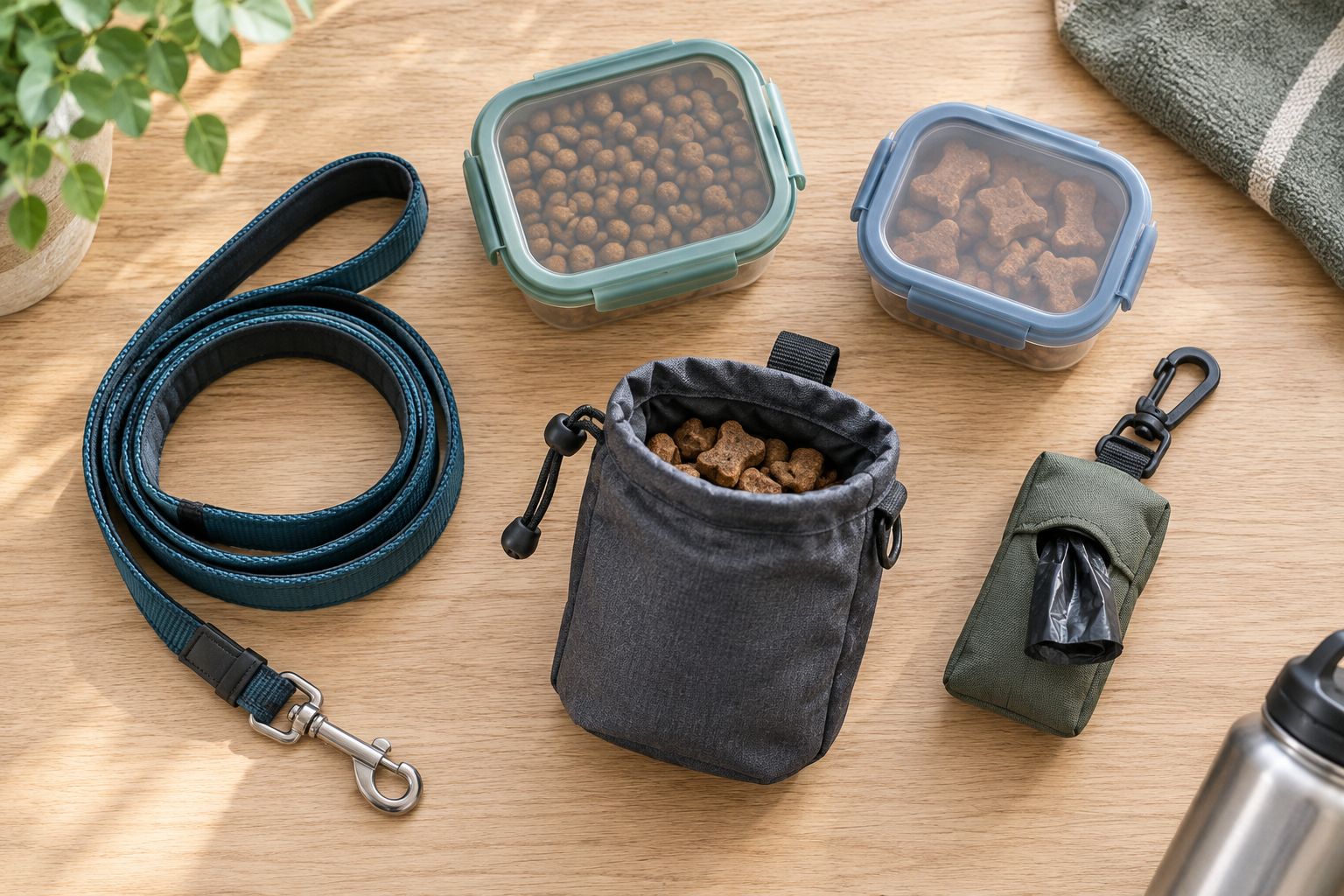
A shared pouch makes it harder to follow individual feeding instructions. Use labeled containers or separate washable pouches, and keep the original ingredient information accessible. Do not pour several clients’ treats into one bag because they look alike.
A practical setup uses 2 containers: one for the dog’s approved food and one for used utensils or packaging. Adjust the equipment to your route, but keep food away from waste bags, cleaning products, and anything that has touched them.
Follow the food’s storage instructions. A bakery item and a dry treat do not automatically belong in the same storage setup, and a warm vehicle is not a substitute for required temperature control.
- Label each dog’s food clearly.
- Keep different recipes in separate containers.
- Carry only the amount assigned to the visit.
- Follow packaging instructions for storage.
- Clean reusable containers between uses.
Reward the agreed behavior without creating competition
Ask which cues the owner uses and what behavior earns a reward. Consistency matters more than adding a new trick to impress a client. A calm pause before leaving the doorway is a clearer goal than giving treats whenever the dog looks excited.
Deliver rewards where the dog can take them safely. Do not scatter food among unfamiliar dogs or reach between dogs competing for the same piece. If a dog guards food or the owner reports guarding, follow the agreed management plan and seek qualified guidance rather than experimenting.
Food is not a tool for forcing a frightened dog closer to something it wants to avoid. Give the dog space and report the situation to the owner.
- Use the owner’s established cues.
- Identify the behavior before offering food.
- Reward dogs separately when walking a group.
- Keep food away during tense greetings.
- Stop feeding when handling becomes unsafe.
Arrange special-occasion treats before the visit
A birthday cookie can be a sweet client gesture when the owner has approved it. Ask first, confirm the recipe, and agree on how much the dog receives. The surprise can be the celebration, not an unexpected dietary change.
Dogeatcake offers local pickup and delivery plus nationwide shipping. Choose the fulfillment method around the agreed visit, and confirm current ordering details directly rather than promising a delivery date to your client.
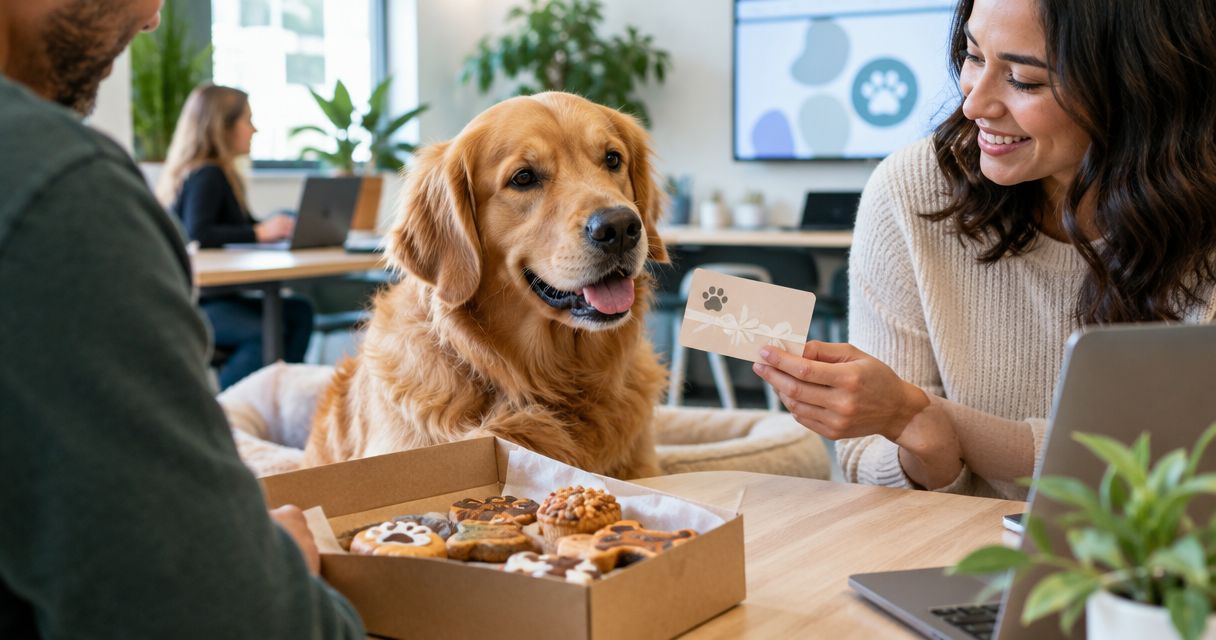
For your 2026 celebration plan, distinguish between a gift for the owner to serve later and food you are authorized to feed during care. A gift card is another option when you want the owner to make the food choice; it does not require you to select a recipe on the dog’s behalf.
- Get written permission for the occasion treat.
- Confirm ingredients and serving instructions.
- Agree who will serve the food.
- Check current fulfillment arrangements before scheduling.
- Keep decorations and packaging out of reach.
Record what you served and share the handoff
End each visit with a short food note alongside the walk or care update. Record what you served and how much, using the owner’s chosen unit: pieces, a pre-portioned bag, or another clear measure. Avoid vague updates such as a few goodies.
If the dog refuses a familiar treat, record the refusal rather than cycling through new foods. If you see concerning symptoms, stop offering treats, contact the owner, and follow the emergency plan. Suspected poisoning requires prompt veterinary advice, not a wait-and-see snack adjustment.
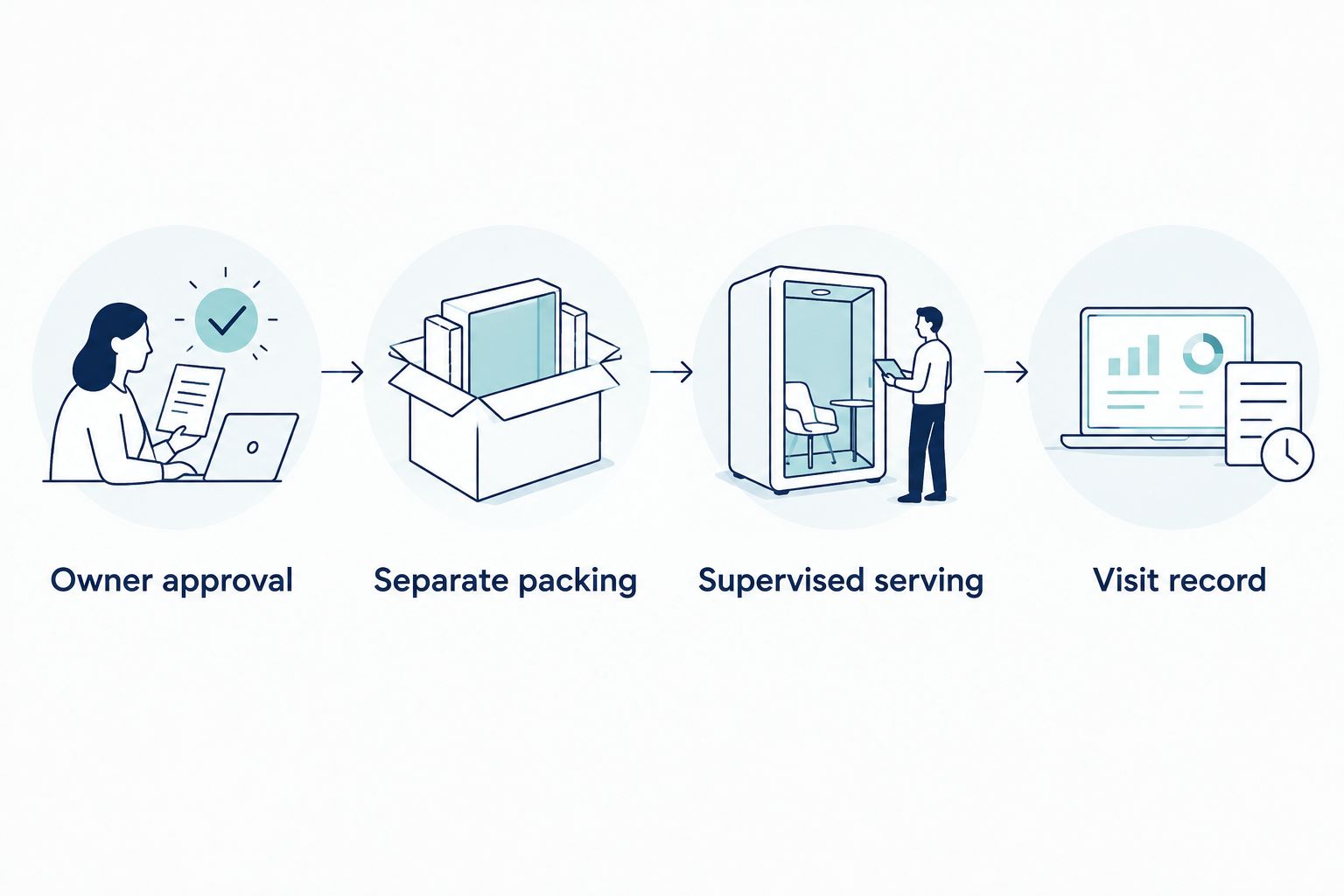
Use the same headings throughout your 2026 visit log so a relief walker can read it quickly. The system should document care, not create extra guesswork.
- Owner approval: note the authorized food.
- Separate packing: confirm the correct container.
- Supervised serving: record the portion given.
- Visit record: report refusals or concerns.
Compare treat options for your care routine
Use the simplest approved option that fits the visit. This 2026 comparison separates everyday rewards from celebration food; none of these formats overrides an individual dog’s dietary instructions.
| Option | Best for | Main advantage | Key limitation |
|---|---|---|---|
| Owner-provided treats | Maintaining an established routine | Owner can identify the approved recipe and portion | You still need clear serving and storage instructions |
| Owner-approved regular food | Rewards drawn from an existing meal plan | Keeps rewards within a familiar food routine | Not every dog finds regular food motivating outside |
| Packaged training treats | Repeated rewards during owner-approved practice | Packaging provides ingredient and feeding information | Recipes differ; a training label does not establish suitability |
| Bakery cookies and treats | Owner-approved celebration visits | Lets you include an occasion-specific food gift | Ingredients, texture, portions, and storage need checking |
| Custom dog birthday cake | A supervised birthday celebration | Suits an occasion rather than repeated walking rewards | Requires serving arrangements and is impractical as a walking-pouch staple |
Keep the original packaging or recipe information for whichever option you choose. Loose treats with no identifiable ingredients are a poor handoff, even when the dog enjoys them.
Common mistakes pet sitters and dog walkers make
Treating one owner’s permission as blanket permission
Approval for an existing treat does not cover a different flavor, a bakery cookie, or another client’s food. Ask again when the recipe changes. A similar-looking snack is still a separate food decision.
Sharing treats across a group walk
Group convenience does not erase individual restrictions. Keep supplies separate and avoid creating a scramble around food. If you cannot serve a reward safely while managing the group, choose a safer moment rather than feeding through the confusion.
Confusing natural ingredients with universal suitability
Natural is not an allergy assessment or a veterinary diet instruction. Read the actual ingredient information and follow the owner’s restrictions. A dog-specific bakery item still needs the same approval process as any other new treat.
Letting a gift become an unplanned meal
A cake or cookie offered as a client thank-you does not need to be eaten during your visit. Leave it for the owner when serving permission is unclear. Thoughtful care includes knowing when not to feed the gift.
FAQ
What are the best dog treats for pet sitters and dog walkers?
The best default is the dog's existing owner-approved treat or an approved portion of regular food. Choose the format around the visit, the feeding plan, and your ability to serve it safely.
Should I bring my own treats when walking a client's dog?
Bring your own treats only after the owner approves the specific recipe and portion. Owner-provided food is the simpler starting point when you are establishing a care routine.
How many treats can I give a dog during a visit?
Give only the portion agreed with the owner for that visit. General WSAVA guidance keeps treats and additional foods within 10% of daily calories, but your visit shares that allowance with everyone else feeding the dog.
Can I use the same treat pouch for every client's dog?
Use separate containers or compartments to keep each dog's approved food identifiable. Clean reusable equipment between uses and do not mix recipes in one shared supply.
Are natural bakery treats suitable for dogs with allergies?
Natural bakery treats are suitable only when their specific ingredients fit the dog's approved feeding plan. Ask the owner to confirm the recipe and follow veterinary instructions for allergies or prescribed diets.
Can a pet sitter give a dog birthday cake?
A pet sitter can serve dog birthday cake when the owner approves the specific cake and portion. Agree on supervision, storage, and serving arrangements before the celebration.
What should I do if a dog refuses a familiar treat?
Record the refusal and tell the owner rather than immediately introducing new foods. Follow the care plan and seek veterinary advice if the dog shows concerning symptoms.
One last thing
The kindest treat decision is sometimes not serving one. For your next 2026 client intake, add a clear instruction for visits when food rewards are not permitted. That gives a backup walker an answer before a hopeful face starts negotiating.
Keep the celebration warm and the care predictable. The dog gets attention; the owner gets confidence that you followed the plan.