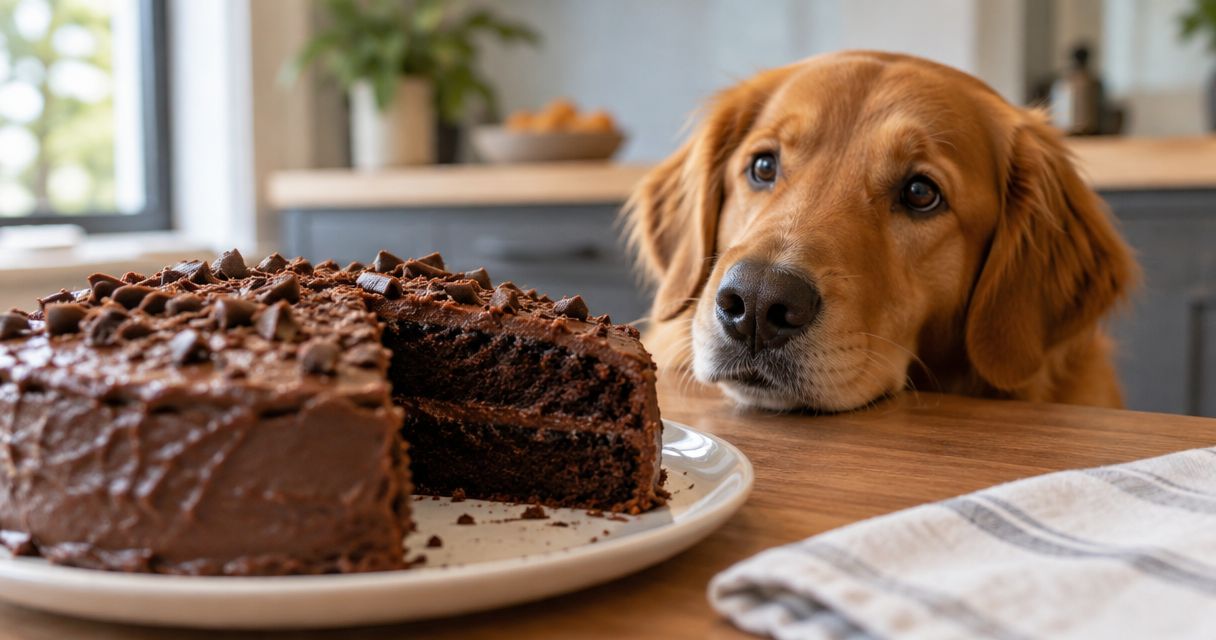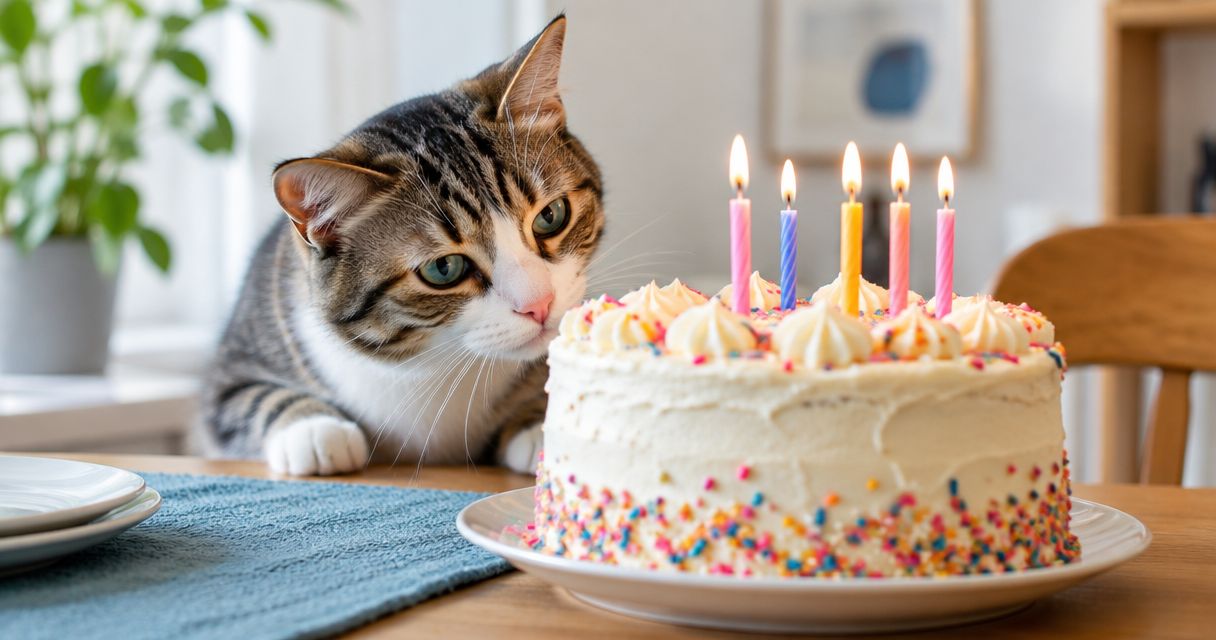

Dogs should not eat frosting made for people: a small lick without toxic ingredients is different from poisoning, but sugary, fatty icing is not a suitable dog treat. Check the full ingredient list immediately if your dog has eaten any, and contact your veterinarian or an animal poison service promptly if it contains xylitol, chocolate, cocoa, or raisins—or you cannot identify the ingredients.
- Can dogs eat frosting? Skip human icing; check ingredients immediately after an accidental lick.
- Xylitol and chocolate require prompt veterinary advice; do not wait for symptoms.
- Plain yogurt or pumpkin can be occasional toppings for dogs that tolerate them, not unrestricted treats.
- Dogeatcake makes custom dog birthday cakes; confirm ingredients against your dog's dietary needs before ordering.
Can dogs eat frosting?
Human frosting is not a good choice for dogs, even when it contains no known toxic ingredient. Sugar and fat add calories without making the dog's diet more balanced. Dairy ingredients can also cause digestive upset in dogs that do not tolerate them.
The useful distinction is not simply homemade versus store-bought. It is toxic ingredients, dietary suitability, and amount eaten. Check the cake underneath, too: the guide to whether dogs can eat cake covers the rest of that birthday slice.
| Frosting or topping | Best for | Main advantage | Main drawback | Recommendation |
|---|---|---|---|---|
| Buttercream | Human desserts, not dog treats | Easy to recognize as a rich topping | Concentrated fat and sugar; additional ingredients need checking | Skip for dogs |
| Cream cheese frosting | Human desserts, not routine dog feeding | Ingredient lists can identify potential hazards | Still contains fat, often sugar, and dairy | Skip for dogs |
| Chocolate frosting | Human desserts only | No benefit that justifies feeding it to dogs | Cocoa contains methylxanthines that are toxic to dogs | Do not feed |
| Sugar-free frosting | Human desserts only | The label flags a need to inspect sweeteners | Some recipes contain xylitol, which is toxic to dogs | Do not feed without identifying every ingredient |
| Plain, unsweetened yogurt | Dogs that already tolerate dairy | Can provide a simple occasional topping | Lactose intolerance and individual dietary restrictions still matter | Use sparingly if appropriate |
| Plain pumpkin purée | Dogs that tolerate pumpkin | Can provide a simple dairy-free topping | Pumpkin pie filling is different; extra food still adds calories | Use sparingly if appropriate |
Why this matters
A birthday treat should not turn into an ingredient mystery. In 2026, the safest shopping habit remains reading the actual label rather than trusting words such as natural, whipped, or sugar-free.
The U.S. Food and Drug Administration identifies xylitol as dangerous to dogs. ASPCA Animal Poison Control guidance also identifies chocolate and raisins as poisoning hazards. Those concerns are different from the stomach upset a dog might experience after eating rich food.
An ingredient can be unsuitable without being poisonous. That distinction helps you respond calmly to a small accidental lick while taking a genuine toxic exposure seriously.
Buttercream: skip the rich human topping
Buttercream commonly combines fat and sugar, but recipes vary. You still need the exact ingredients to assess an accidental exposure; the name alone cannot rule out cocoa, chocolate, or other additions.
For a dog that has eaten plain buttercream, the concerns include digestive upset and a rich-food exposure. High-fat foods can contribute to pancreatitis, a painful condition that needs veterinary care. A history of pancreatitis is a reason to call your veterinarian rather than treating a lick as automatically harmless.
Do not make buttercream a regular reward. Your dog does not need the icing to enjoy a birthday ritual, and removing it does not make an otherwise unsuitable cake safe.
Cream cheese frosting: dairy does not make it dog food
Cream cheese frosting is still frosting, not a balanced snack. Its ingredients often include added sugar and other fats alongside cream cheese, and dogs vary in how well they tolerate dairy.
Check for flavorings and sweeteners before deciding what an exposure means. A familiar ingredient at the front of a recipe does not cancel a dangerous ingredient farther down the list.
If your dog has a prescribed diet, ask your veterinarian before adding a dairy-based topping. Keep the celebration compatible with the diet rather than making an exception because the portion looks small.
Chocolate and sugar-free frosting: check immediately
Chocolate frosting needs prompt attention because cocoa contains theobromine and caffeine. Veterinary assessment depends on the type and amount of chocolate, your dog's weight, and the circumstances of the exposure. Frosting color is not a reliable way to judge that risk.
Sugar-free frosting brings a different question: which sweetener does it contain? Xylitol, also called birch sugar, is toxic to dogs. It can cause a rapid fall in blood sugar and can also cause liver injury.
Not every sugar-free product contains xylitol, and not every sweetener has the same effects. Identify the ingredient rather than treating all sugar-free foods as identical. If xylitol appears on the label, seek veterinary advice immediately, even if your dog looks well.
What should you do if your dog eats frosting?
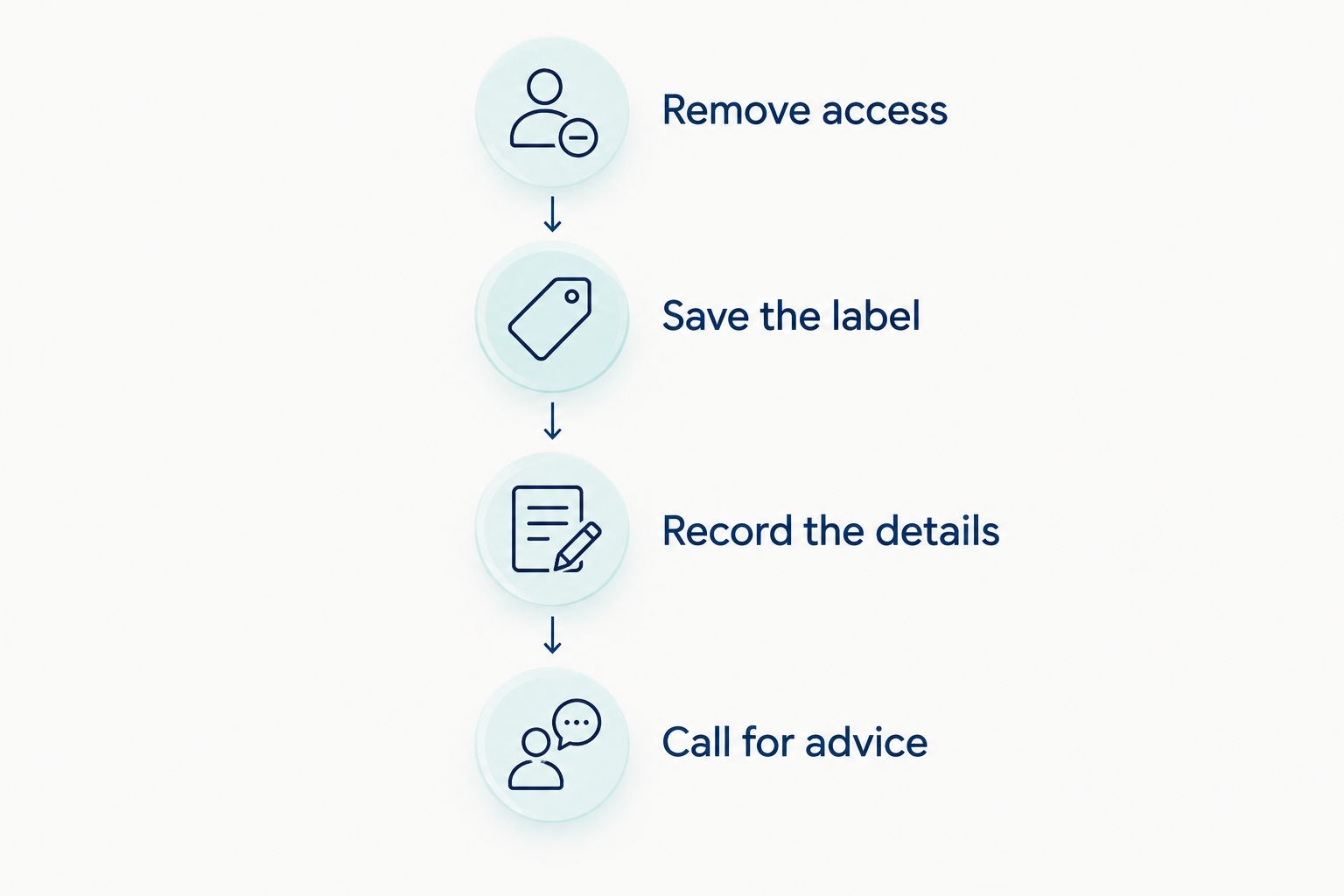
Use these 4 steps to organize the response. If you already know the frosting contains a toxic ingredient, call for veterinary help immediately rather than finishing the checklist first.
- Remove access. Put the cake, container, utensils, and discarded wrappers somewhere your dog cannot reach. Check whether your dog also swallowed packaging or decorations.
- Save the label. Photograph the ingredient list or keep the packaging. For homemade frosting, obtain the complete recipe, including sweeteners, flavorings, and toppings.
- Record the details. Note your dog's weight, the approximate amount eaten, and when it happened. An honest estimate is more useful than assuming the amount was negligible.
- Call for advice. Contact your veterinarian, an emergency veterinary hospital, or an animal poison service when ingredients are toxic, unknown, or concerning for your dog's health history.
A clear label and exposure history help a veterinary professional decide what happens next. Do not delay a call while trying to calculate a safe dose yourself.
Do not induce vomiting or give a home remedy unless a veterinary professional specifically directs you to do so. Feeding another food does not neutralize xylitol or chocolate.
Watch for vomiting, diarrhea, abdominal discomfort, weakness, trembling, or collapse, but do not wait for symptoms after a suspected toxic exposure. Symptoms are a reason for urgent care, not a prerequisite for making the call.
Why frosting risk varies
There is no universal safe spoonful of frosting. These factors change the assessment:
- Ingredients: Xylitol, cocoa, chocolate, and raisins create different risks from plain sugar or dairy.
- Amount eaten: A quick lick and access to a mixing bowl are different exposures.
- Dog size: The same amount represents a different dose for a small dog and a large dog.
- Health history: Pancreatitis, diabetes, allergies, and prescribed diets change what is appropriate.
- Individual tolerance: A dog that develops diarrhea after dairy should not receive yogurt simply because another dog tolerates it.
- Everything eaten alongside it: Cake, fillings, decorations, wrappers, and skewers need their own assessment.
For a 2026 birthday pawty, keep the ingredient list with the serving supplies. Guests should know which treats belong to the dogs and which desserts belong to people.
What can you use instead of frosting for dogs?
Start with a food your dog already tolerates, not a new recipe chosen for its appearance. Plain, unsweetened yogurt can work as an occasional topping for a dairy-tolerant dog. Plain pumpkin purée offers a dairy-free alternative, but it is not the same as sweetened or spiced pumpkin pie filling.
Neither option is necessary for good nutrition. Both remain extra food, and neither is suitable for every dog. Check the complete ingredient list, including any sweeteners, and follow veterinary restrictions.
For healthy dogs, the World Small Animal Veterinary Association recommends keeping treats and other extras below 10% of daily calories. That leaves at least 90% for the complete, balanced diet. Count the topping, cake, training rewards, and other snacks together rather than giving each its own allowance.
That calorie guidance is not a poisoning threshold. Staying below 10% does not make a toxic ingredient safe, and a prescribed diet can require tighter limits. Ask your veterinary team for an individual plan if you are unsure.
Is peanut butter a good frosting substitute?
Peanut butter requires the same ingredient check as frosting. Use only a product without xylitol, and remember that its fat and calories make it a limited extra rather than a generous cake covering.
For a dog with pancreatitis or a fat-restricted diet, peanut butter is not an automatic alternative. Choose the celebration around the dog's needs instead of searching for a rich topping with a healthier reputation.
Does homemade mean safer?
Homemade food gives you control over what goes into the bowl, but it does not make every recipe suitable for dogs. A recipe using chocolate or xylitol remains dangerous regardless of who prepared it.
Keep the recipe simple and write down every ingredient. If you cannot confirm that an ingredient suits your dog, leave it out and ask your veterinarian before serving.
How do you choose a custom dog birthday cake?
Dogeatcake is best for owners seeking custom dog birthday cakes from a South End, Boston dog bakery. The bakery also sells cookies and treats, with local pickup and delivery plus nationwide shipping.
Ask Dogeatcake for the ingredients in both the cake and its topping before choosing. A custom dog cake is a different purchase from a human cake, but the words dog cake do not establish suitability for a particular allergy or medical condition.
Dogeatcake's custom-cake offering fits a planned celebration; the limitation is that individual dietary needs still require ingredient confirmation. For a 2026 order, share known restrictions before selecting the cake rather than trying to remove an unsuitable topping afterward.
Useful questions include whether the topping contains dairy, which sweeteners are used, and whether the bakery can address your specific ingredient restriction. Do not assume a custom design also means a custom medical diet.
Can a dog eat a tiny lick of frosting?
A tiny lick is not automatically a poisoning emergency if the ingredients contain no toxins, but size alone cannot establish safety. Check the label and consider your dog's health history before deciding what to do.
Call promptly for toxic or unknown ingredients. If your veterinarian recommends observation, follow that advice and report any symptoms rather than offering more frosting to see whether your dog tolerates it.
Is dog-friendly frosting safe for every dog?
Dog-friendly frosting is not safe for every dog simply because it carries that description. Allergies, dairy tolerance, fat restrictions, and prescribed diets still apply.
Ask for the complete ingredients and serving guidance. A topping that suits a healthy adult dog can be inappropriate for another dog with different dietary needs.
Can dogs eat frosting without sugar?
Frosting without sugar is not automatically suitable for dogs. The replacement sweetener matters, particularly because xylitol is toxic to dogs.
Check the label every time you buy a product in 2026, even if you recognize the packaging. A familiar name is not a substitute for knowing what is in the food you are about to serve.
FAQ
Can dogs eat vanilla frosting?
Vanilla frosting is not a recommended dog treat. Check the complete ingredient list after an accidental exposure; the flavor name does not identify every sweetener or added ingredient.
What should I do if my dog ate frosting with xylitol?
Contact your veterinarian or an animal poison service immediately if your dog ate frosting containing xylitol. Do not wait for symptoms or induce vomiting unless a veterinary professional directs you to do so.
Can dogs eat cream cheese frosting?
Cream cheese frosting is not a suitable routine treat for dogs because it commonly contains fat, sugar, and dairy. Individual dairy tolerance and health restrictions also matter.
Is whipped frosting safer for dogs than buttercream?
Whipped frosting is not automatically safer for dogs than buttercream. Compare the complete ingredients rather than judging safety by texture or how light the topping looks.
What's the best frosting alternative for a dog birthday cake?
The best alternative is a simple topping your dog already tolerates and that fits any veterinary restrictions. Plain unsweetened yogurt or plain pumpkin purée can be occasional options, but neither suits every dog.
How much of my dog's diet can be birthday treats?
Treats and other extras should stay below 10% of daily calories for healthy dogs, following World Small Animal Veterinary Association guidance. Include the cake, topping, and all other treats in that allowance; medical diets require individual advice.
Can puppies eat frosting?
Human frosting is not an appropriate puppy treat. Keep a puppy's diet centered on complete, balanced food formulated for growth, and ask your veterinarian before adding unfamiliar birthday foods.
Should I make my dog vomit after eating frosting?
Do not make your dog vomit unless a veterinary professional specifically tells you to do so. Save the ingredient list and call for advice about the actual exposure.
One last thing
The safest birthday topping can be no topping at all. A familiar treat, a little playtime, and your attention still make a celebration your dog can enjoy.
For your 2026 party checklist, add one practical task: put human desserts beyond reach before guests arrive. Preventing an accidental mouthful is easier than reconstructing the recipe after the cake plate is empty.