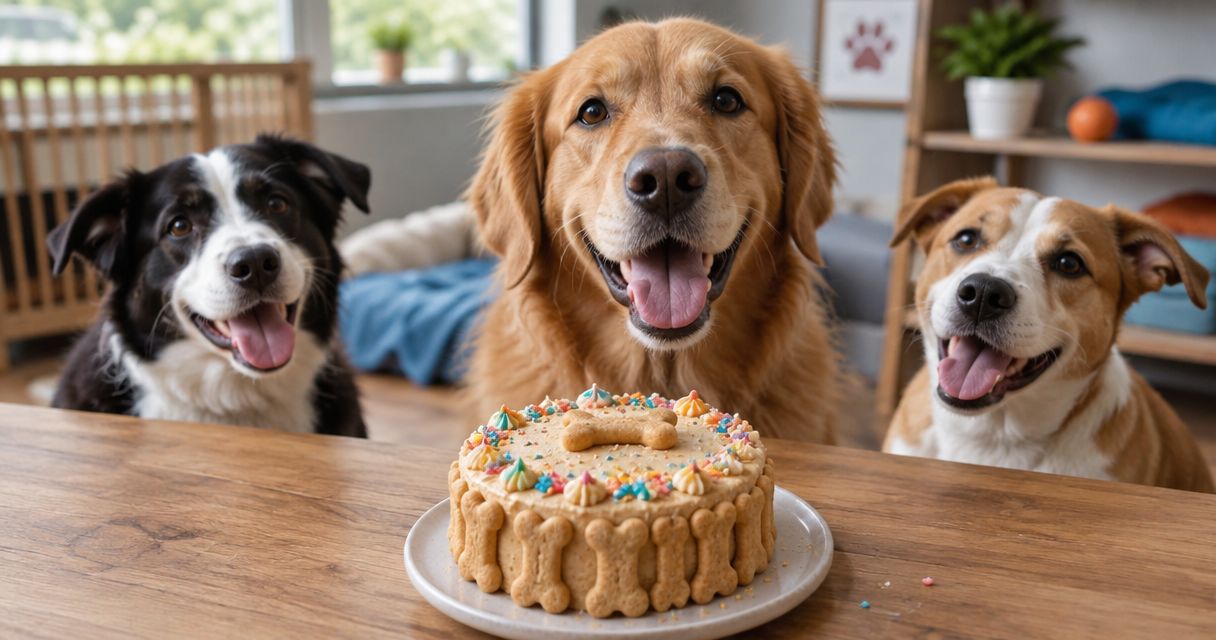
Shelter and rescue dog cakes are occasional celebration treats chosen around each animal’s feeding plan, with the aim of marking adoption days, birthdays, and other milestones without disrupting care. Unlike a home birthday party, your event needs individual feeding approval, separate servings, and a clear handoff between staff, fosters, and adopters.
- Choose dog cakes for animal shelters and rescues by individual feeding approval, not appearance.
- Dogeatcake sells custom dog birthday cakes, with local pickup/delivery and nationwide shipping.
- Keep adoption-day cake optional; celebrate dogs with restricted diets without adding food.
- Assign serving and cleanup roles before bringing dog bakery treats into shared spaces.
Why dog cakes matter for shelters and rescues
A cake gives your team a focal point for an adoption photo, a foster milestone, or a birthday celebration. The celebration should fit the dog’s care plan—not the other way around. A dog can take part without eating cake.
For your 2026 event plan, separate the photograph from the feeding decision. Staff can approve a quiet portrait while declining an unfamiliar treat. That distinction keeps the occasion welcoming without making food participation compulsory.
Start with ingredients rather than frosting colors. The guide to allergy-friendly dog birthday cakes offers another planning reference, but an individual dog’s care instructions remain the deciding factor.
How to plan shelter and rescue dog cakes
Use a simple sequence: define the occasion, confirm feeding eligibility, choose the format, arrange the handoff, and prepare separate portions. Then run the celebration and record what happened. Assign ownership before volunteers arrive with donated food or begin offering treats.
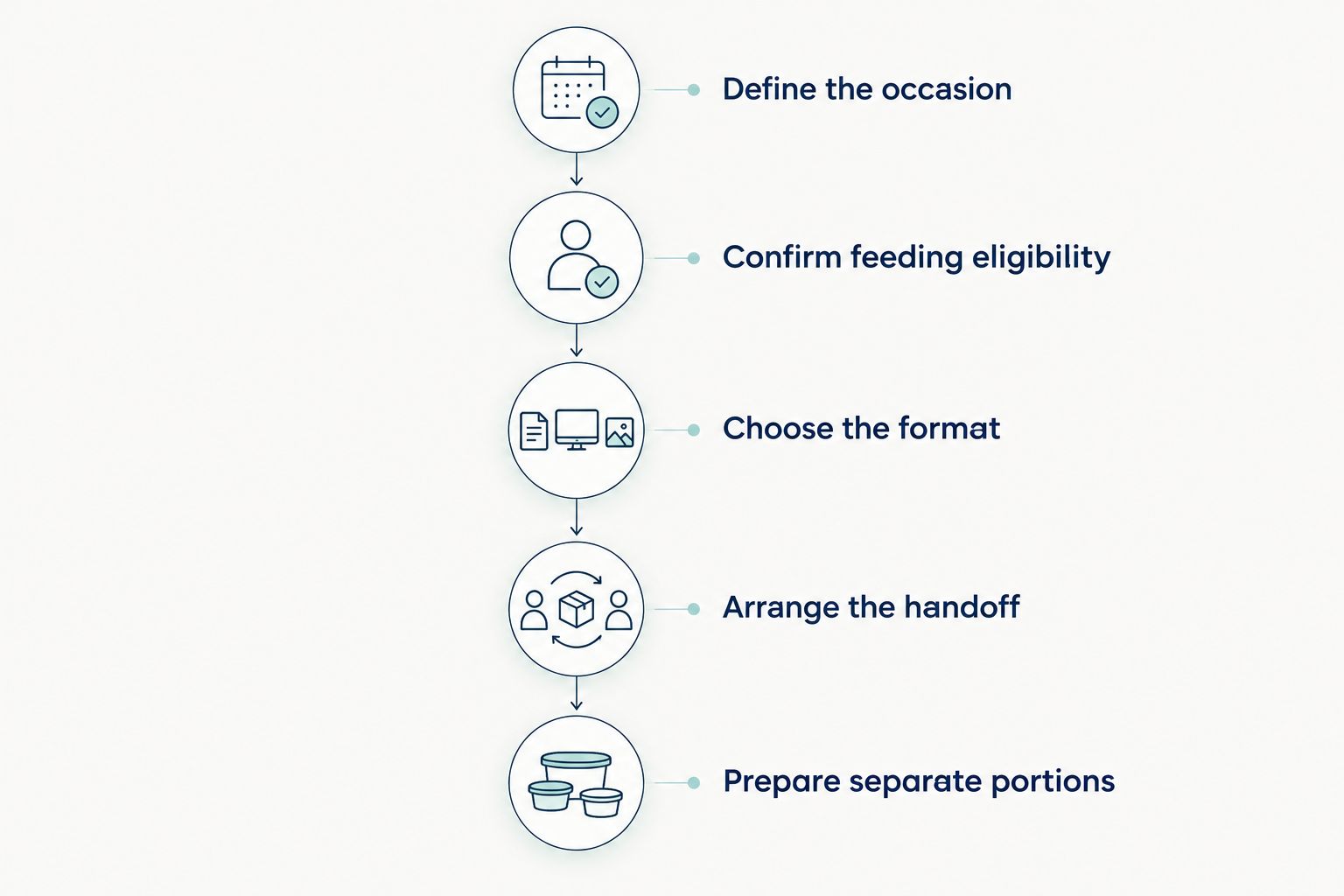
Define the occasion
Start with a shared document or paper event sheet. Name the occasion, the dog, and the person authorized to approve food. You do not need a special ordering system to establish those basics.
Choose an event that suits the animal rather than building an audience around a cake. An adoption handoff, a foster-home celebration, and a shelter photo session need different arrangements. For example, an adopter can receive care instructions without being asked to serve a new treat immediately.
For a 2026 adoption calendar, distinguish a known birthday from a chosen celebration date. Call an adoption anniversary an adoption anniversary; a guessed birthday does not need to become part of the medical record.
- Name 1 event coordinator responsible for final decisions.
- Record whether the date is a birthday, adoption day, or chosen milestone.
- Identify the dog or dogs involved before choosing food.
- Decide whether the event needs cake, a photograph, or both.
- Give staff permission to cancel the food portion of the celebration.
Confirm feeding eligibility
Check the existing feeding record before considering recipes or bakery options. Ask the shelter’s designated care lead or veterinary team to resolve restrictions, unknown ingredients, and questions about medical diets. A volunteer’s enthusiasm is not feeding approval.
Dog-friendly does not mean suitable for every dog. Chocolate, grapes, raisins, and xylitol are unsafe for dogs; excluding those ingredients still does not establish that a recipe fits an animal’s allergies or prescribed diet. An all-natural description is not an individual safety assessment either.
Do not use the event to test whether a dog tolerates an unfamiliar ingredient. If the care team does not approve the cake, keep the photograph and leave the cake out of reach.
- Match the proposed ingredients against each dog’s feeding instructions.
- Ask about both the cake base and its decorations.
- Flag prescribed diets and known food reactions before ordering.
- Obtain approval for the serving amount from the responsible care team.
- Record a clear yes or no for each participating dog.
Choose the format
First consider the simplest manual route: a celebration without edible extras, or an already-approved treat served according to the feeding plan. If a volunteer proposes baking, require the same ingredient review you would apply to a purchased cake. Homemade is a source, not a safety standard.
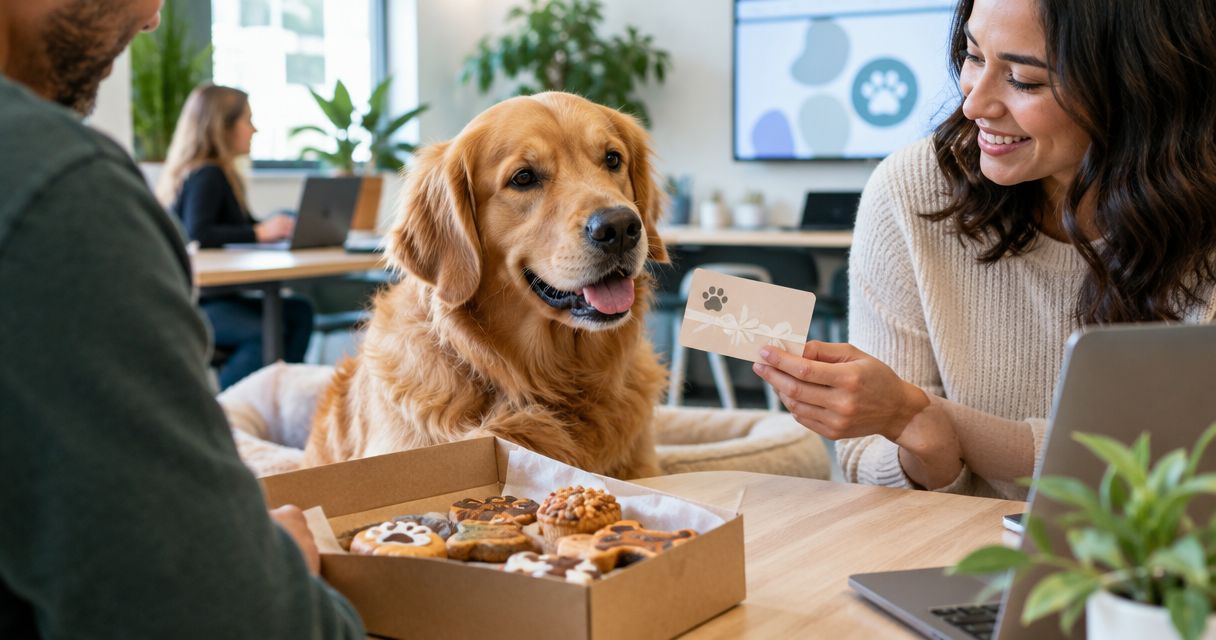
A custom bakery cake is another route when your team wants a birthday centerpiece without doing the baking. Dogeatcake sells fresh-baked, all-natural custom birthday cakes, cookies, and treats, with local pickup/delivery and nationwide shipping.
Dogeatcake dog cakes are best for shelter and rescue teams seeking a custom birthday cake from a Boston dog bakery. The limit is individual suitability: a custom cake still needs ingredient review and feeding approval. Do not assume a shelter discount, donation arrangement, or special dietary accommodation; ask about your actual requirements.
- Choose a centerpiece only when the occasion calls for one.
- Use the approved feeding amount to guide serving plans.
- Review ingredients before treating any format as suitable.
- Ask the bakery to confirm your requested customization.
- Keep a food-free celebration available as the alternative.
Arrange the handoff
Use a written order summary or event sheet to connect the person obtaining the cake with the person serving it. Record the event date, collection or delivery arrangement, recipient, and handling instructions supplied with the food.
For Boston teams, Dogeatcake offers local pickup/delivery; nationwide shipping is another stated option. Confirm which route fits your location and event rather than assuming every cake or request follows the same process. Ask directly about the specific item, timing, packaging, and storage instructions.
Keep the handoff out of a busy animal-care transition. The person receiving food needs time to check it, identify the intended dog, and place it in the designated storage area.
- Assign 1 receiving contact and record their name.
- Confirm the event date separately from the handoff date.
- Obtain storage and handling instructions from the supplier.
- Keep ingredient information with the cake through the handoff.
- Tell the serving volunteer where the approved feeding record lives.
Prepare separate portions
Plan serving before opening the box. A shared display cake does not require a shared eating experience: prepare individual servings with clean utensils and offer them separately under the shelter’s handling rules.
Create 2 distinct zones: a preparation area for food and a dog area for supervised participation. Keep cakes, utensils, packaging, and decorations out of dogs’ reach until the assigned handler is ready. Use an existing suitable space rather than constructing an elaborate party setup.
The portion decision belongs with the care team. Do not divide a cake equally by the number of dogs or use breed size alone as the serving rule. Keep uneaten food separate from clean portions.
- Prepare a labeled serving for each approved dog.
- Use clean utensils for cutting and serving.
- Separate approved food from unapproved donations.
- Remove toppers, candles, ribbons, and packaging before access.
- Keep additional servings secured rather than within reach.
Run the celebration
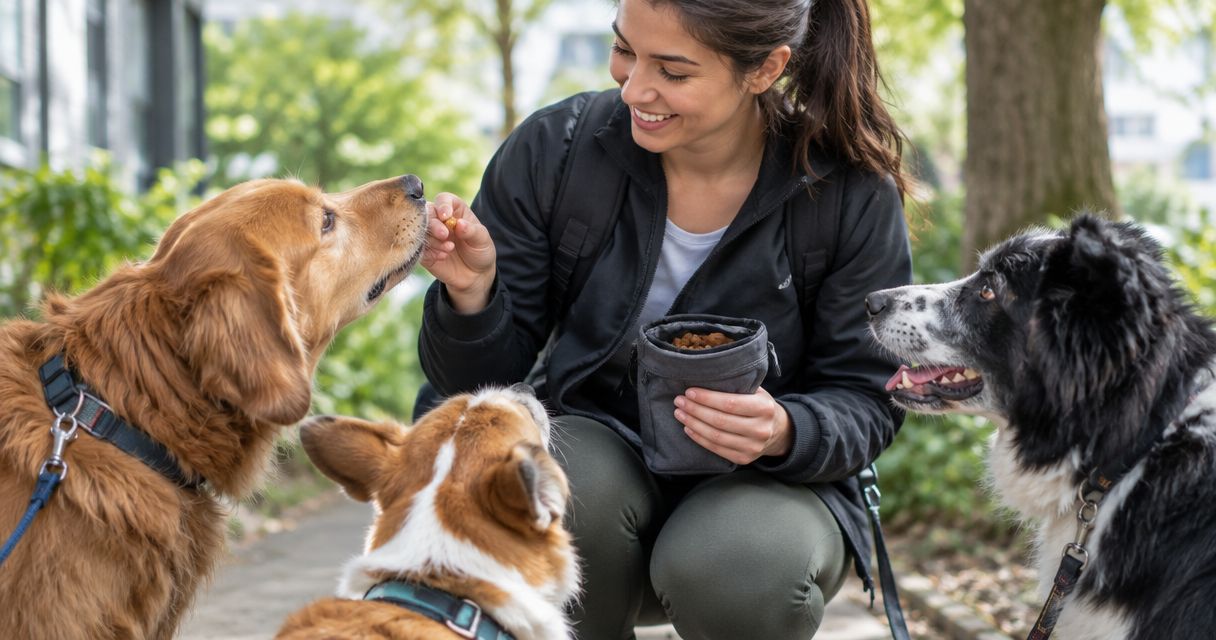
Keep the dog’s normal handling plan in place during the event. A cake is not a reason to relax separation rules, gather unfamiliar dogs around food, or ask a worried animal to remain for another photograph.
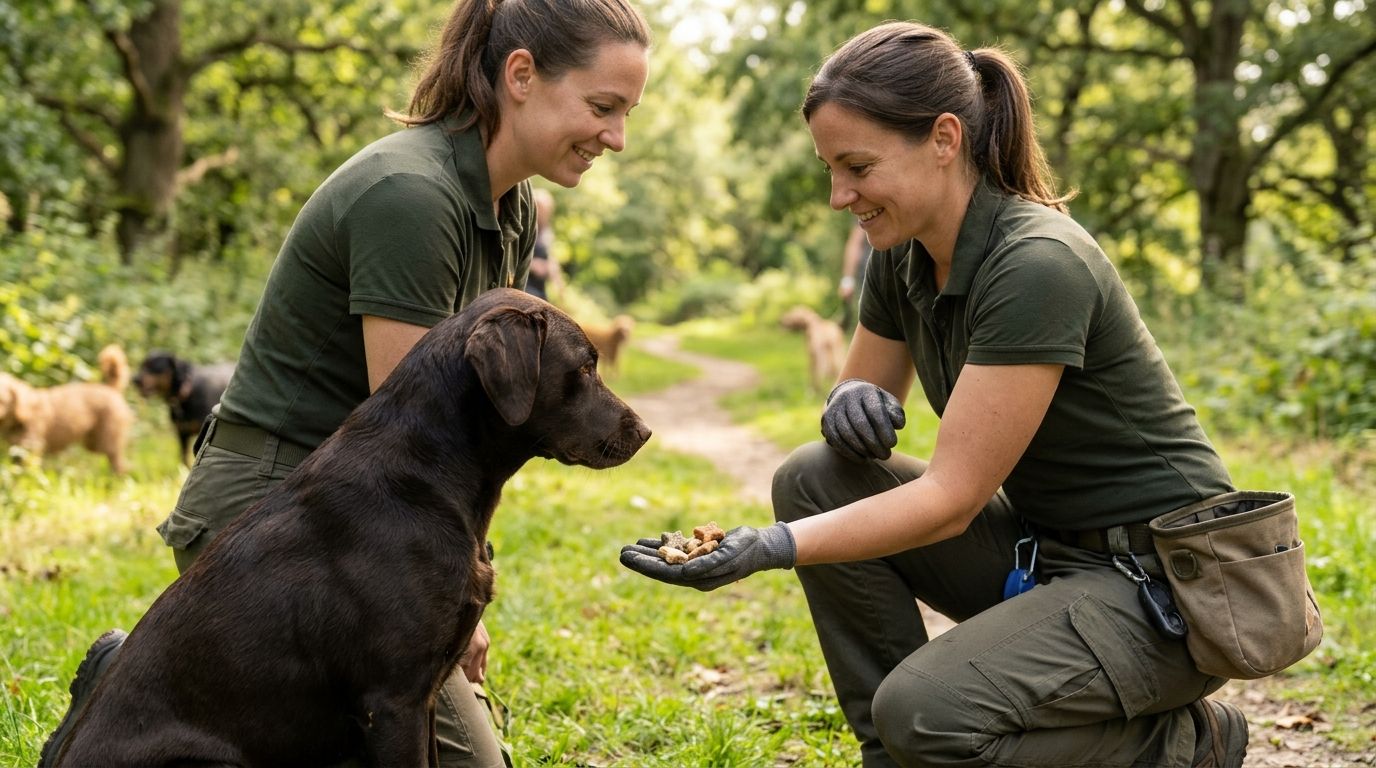
Assign 3 roles: handler, server, and photographer. One person can cover roles sequentially, but the handler should not need to hold a dog while cutting cake or reaching for a camera. Stop the activity if the handler decides the dog needs space.
For your 2026 adoption events, make public participation optional too. Ask the appropriate person before including adopters, fosters, or identifying details in a post. A useful memory does not require a crowd or a public story.
- Follow the dog’s existing handling and separation instructions.
- Serve dogs separately rather than around a communal cake.
- Keep the handler focused on the dog during food access.
- Stop photographs when the handler ends the session.
- Offer a quiet, food-free version of the occasion.
Record the outcome
Close the loop with a short entry in your existing records. Write down what was offered, the approved amount, and who served it. Record observations without turning a celebration into a claim about health or behavior.
Keep your 2026 event notes practical. If an animal develops symptoms after eating, follow the organization’s veterinary escalation procedure and retain the ingredient information. Do not diagnose a food reaction from a photograph or assume the cake caused every change.
For communications, describe the occasion accurately. A cake photo documents a celebration; it does not prove increased adoptions, reduced stress, or improved wellbeing.
- Record the food and ingredient information provided.
- Note the amount actually served, not just the amount prepared.
- Identify the volunteer or staff member who served it.
- Follow established procedures for reporting health concerns.
- Save handling lessons for the next event plan.
Compare celebration options for your shelter
Choose the format after feeding approval. The best option is the one your team can prepare, supervise, and document without changing an individual dog’s care instructions. No format earns automatic approval because it looks festive or comes from a bakery.
| Option | Best for | Practical advantage | Key limitation |
|---|---|---|---|
| Custom bakery cake | A named dog’s birthday or adoption milestone | Provides a centerpiece without volunteer baking | Requires ingredient review, handling arrangements, and approved portions |
| Approved individual treats | Separate, supervised celebrations | Keeps each serving tied to an individual dog | Still requires feeding approval; not every treat suits every dog |
| Volunteer-made cake | Teams with an approved recipe and assigned baker | Gives the team direct control over the recipe | Ingredient sourcing, preparation, and documentation remain the team’s responsibility |
| Food-free celebration | Dogs whose care plans exclude extra food | Marks the occasion without adding a new food | Requires a different visual focus for photographs |
Dogeatcake dog cakes fit the custom-bakery route. They do not replace the shelter’s responsibility to approve feeding or supervise the event. Choose the food-free route whenever that is the better fit for the animal.
Common mistakes shelters and rescues make
Treating donated food as automatically approved
A thoughtful donation still needs review. Keep unsolicited cakes and treats separate from approved feeding supplies until the responsible person has checked them. Thank the donor without promising that every animal will receive a serving.
Planning one cake for every dog
A single event does not create a single feeding plan. Avoid a communal serving setup, and do not make equal portions the default. Include dogs with dietary restrictions through a separate photograph or another approved activity.
Letting the photo schedule dictate handling
A planned post is not a reason to keep a dog beside unfamiliar food or people. Give the handler authority to end the session without discussion. Save the photograph for another occasion if the setup does not suit the dog.
Losing ingredient information during foster handoffs
A box passed between volunteers can become separated from its instructions. Keep the ingredient details, intended recipient, and serving approval together. If the adopter or foster has not agreed to the food plan, do not present immediate feeding as part of the handoff.
FAQ
What are the best dog cakes for animal shelters and rescues?
The best dog cakes for animal shelters and rescues are those approved for the individual dogs receiving them. Check ingredients, feeding restrictions, and serving instructions before choosing a design or supplier.
Can every shelter dog have birthday cake?
No, birthday cake is not appropriate for every shelter dog. Follow each animal’s feeding plan and use a food-free celebration when extra food is not approved.
Can our rescue order a custom cake from Dogeatcake?
Dogeatcake sells custom dog birthday cakes and offers local pickup/delivery plus nationwide shipping. Confirm your requested customization, ingredients, handling instructions, and delivery arrangement directly before planning the event around an order.
Is homemade dog cake better than a bakery cake for a rescue?
Neither homemade nor bakery cake is automatically better for a rescue dog. Choose according to ingredient approval, preparation controls, handling requirements, and the individual animal’s feeding plan.
How much cake should a shelter dog receive?
Use the serving amount approved by the dog’s responsible care team. Do not calculate a portion from appearance, breed size alone, or the number of dogs attending.
Can we celebrate a rescue dog whose birthday is unknown?
Yes, you can celebrate an adoption day, foster milestone, or clearly identified chosen birthday. Keep the celebration date distinct from a verified birth date in the animal’s records.
Can several shelter dogs eat from the same cake?
Prepare and serve approved portions separately rather than letting several shelter dogs eat from a shared cake. Keep the organization’s handling and separation instructions in place throughout the celebration.
One last thing
Put the cake in the event plan, not in the dog’s obligations. For your next 2026 celebration, decide on a food-free version before ordering anything. That single decision lets your team keep the milestone even when feeding approval changes, a handoff takes priority, or the dog simply needs a quieter day.