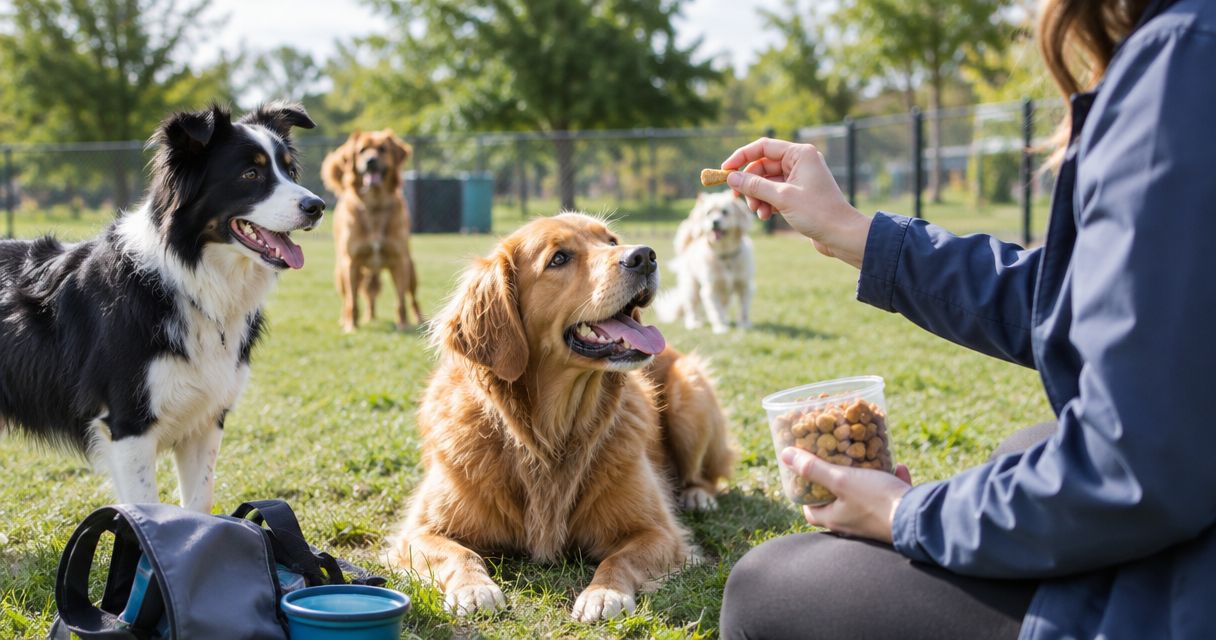
Dog treats for dog parks and breed clubs are owner-approved rewards and celebration foods chosen to support training, social events, and safe group participation. This 2026 guide explains how to choose, portion, and serve them when dogs have different diets, handlers, and comfort levels around food.
- Choose dog treats for dog parks and breed clubs around venue rules, owner permission, and individual dietary needs.
- WSAVA recommends keeping treats below 10% of daily calories; count event rewards within that allowance.
- Use handler-controlled rewards for training and owner-managed portions for celebrations; avoid communal food bowls.
- Keep ingredient information available, and give every dog an easy way to skip the snacks.
Why dog treats matter for dog parks and breed clubs
A dog park is shared space, not a supervised feeding group. A breed-club gathering adds another challenge: dogs sharing a breed do not necessarily share a diet, body size, training history, or tolerance for nearby dogs.
Permission matters more than presentation. A beautiful cookie is the wrong choice if its recipient has a restricted diet or the venue prohibits food. Your job is to make participation predictable, not persuade every dog to have a bite.
Training rewards and celebration treats also serve different purposes. The principles in this guide to dog treats for professional trainers help distinguish a handler-delivered reward from a snack handed out during a social event.
For your 2026 event plan, decide whether food belongs at the gathering at all. If park rules forbid treats, leave food out of the park and arrange any permitted handoff elsewhere. A pawty does not need shared snacks to feel special.
How to plan treats for a dog park or breed-club event
1. Check the venue rules before planning food
Start with the park's posted rules or the club venue's written policy. Ask the responsible organizer about food, outside vendors, cleanup, and any restrictions that apply to your particular activity.
Do not treat an absence of signage as permission. Public off-leash play, a private training session, and a rented celebration space require different arrangements. Confirm the rules for the actual location rather than borrowing the policy from a previous event.
Choose 1 designated treat coordinator as an organizing recommendation, not a substitute for owner supervision. That person keeps the agreed plan consistent while each handler remains responsible for their own dog.
- Read the current food and treat rules.
- Confirm where food handoffs are permitted.
- Identify who can stop treat service.
- Plan how wrappers and leftovers will leave the site.
- Offer a food-free participation route.
2. Collect permission and dietary details from handlers
A shared document or paper sign-up sheet is enough. Ask each handler whether their dog can receive event treats, which ingredients they avoid, and whether they prefer to bring familiar food instead.
Keep medical decisions with the owner and veterinarian. A club volunteer should not decide that a small taste is acceptable for a dog on a prescribed diet. Likewise, a handler declining food does not owe the group a medical explanation.
Use 3 required fields on your permission sheet: dog and handler identification, food permission, and dietary restrictions. Collect only the information needed to serve safely, and keep it accessible to the people handling food rather than circulating it through the whole club.
- Record an explicit yes or no for outside treats.
- Ask about ingredient restrictions before selecting food.
- Let handlers supply their dog's usual reward.
- Record a preference for no food without debate.
- Reconfirm permission at the event.
3. Match the treat format to the activity
Start with food the handler already uses successfully. For training, choose a reward the dog can eat comfortably without turning each repetition into an extended snack break. For a celebration, give the owner control over whether and when to serve a portion.
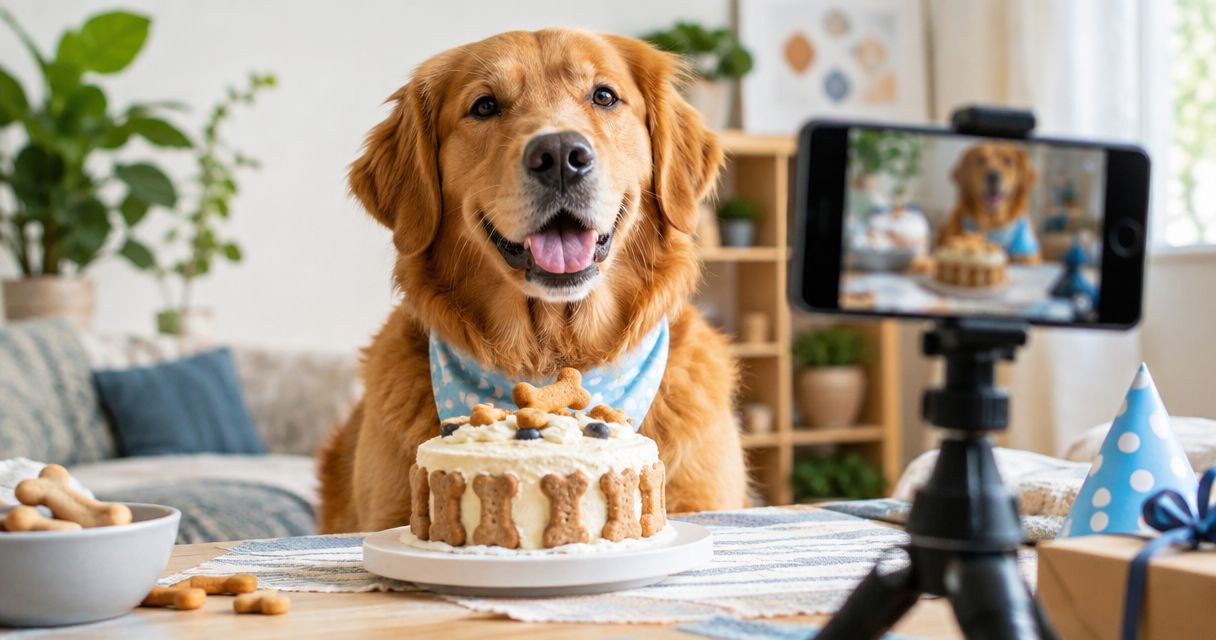
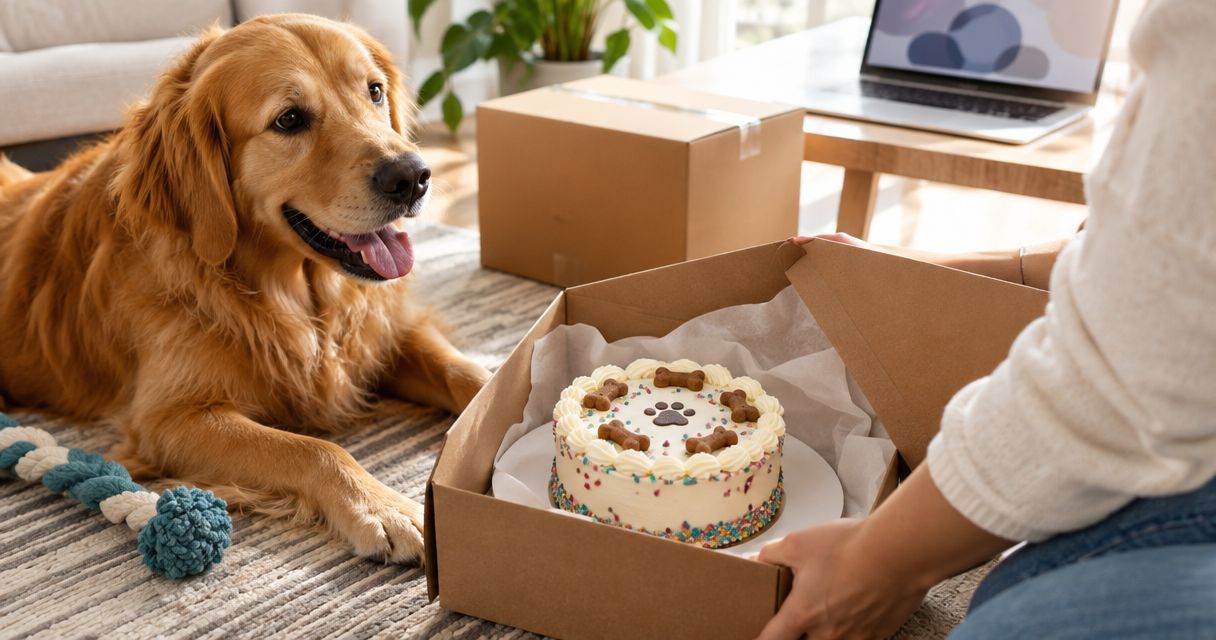
Dogeatcake is best for Boston breed-club organizers seeking custom dog cakes and bakery treats for owner-managed celebrations. Dogeatcake is a South End, Boston dog bakery and online shop offering custom birthday cakes, cookies, treats, holiday items, and gift cards, with local pickup/delivery and nationwide shipping.
Dogeatcake dog treats are a celebration option, not a substitute for checking ingredients and individual suitability. The bakery route puts treat preparation with a specialist; the organizer still needs to confirm the chosen item's ingredients, handling instructions, and fit for participating dogs.
- Choose small, easy-to-handle rewards for training.
- Reserve cake portions for controlled celebrations.
- Consider take-home cookies when on-site food is unsuitable.
- Match texture and portion size to each dog's needs.
- Keep a familiar-food option available through handlers.
4. Review ingredients and handling instructions
Read the information for the actual item, not just the category name. All-natural ingredients do not establish that a treat suits every dog, and a bakery-style appearance tells you nothing about an individual dog's tolerance.
Ask about the complete ingredient list and relevant cross-contact concerns. If the answer does not resolve a handler's restriction, do not serve that item to their dog. A different flavor is not automatically an appropriate substitute.
Separate 2 information records in your event notes: what the food contains and how it must be handled. Neither replaces the other. An ingredient-approved item still needs to be stored and served according to its instructions.
- Retain the packaging or a copy of ingredient information.
- Check each item rather than assuming one recipe covers everything.
- Ask about cross-contact when a handler identifies a concern.
- Follow the supplier's storage and serving instructions.
- Keep human refreshments separate from dog treats.
5. Plan portions across the whole event
Portion planning starts with each dog's daily food intake, not the number of snacks on the table. The World Small Animal Veterinary Association recommends keeping treats below 10% of daily calories; an individual dog's veterinary plan takes priority.
Count training rewards, celebration portions, and take-home food together when discussing the day's allowance with handlers. A tiny reward delivered repeatedly still contributes to the total. Where calorie information is unavailable, do not invent a universal portion size for the group.
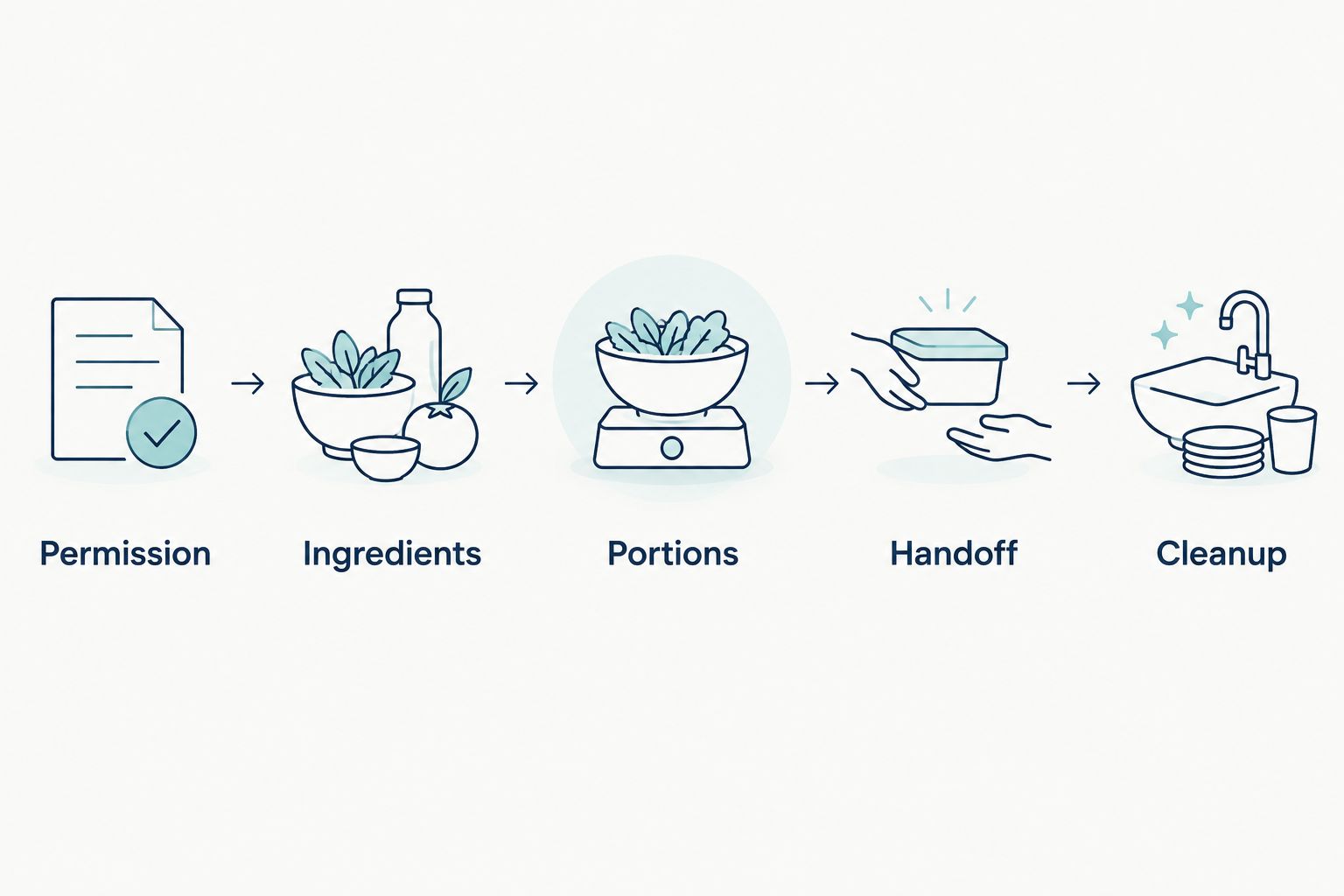
For your 2026 serving checklist, use the sequence Permission, Ingredients, Portions, Handoff, Cleanup. Decide suitability before opening food, then let the handler manage the individual serving. Breed membership alone is not a portioning method.
Keep the portioning plan simple enough that a substitute volunteer can follow it. Written instructions are more useful than an arrangement only the event organizer remembers.
- Ask handlers to account for rewards already given that day.
- Use available calorie information rather than guessing.
- Let owners decide their dog's individual portion.
- Keep additional servings under handler control.
- Follow veterinary instructions for dogs with prescribed diets.
6. Hand food to owners, not unfamiliar dogs
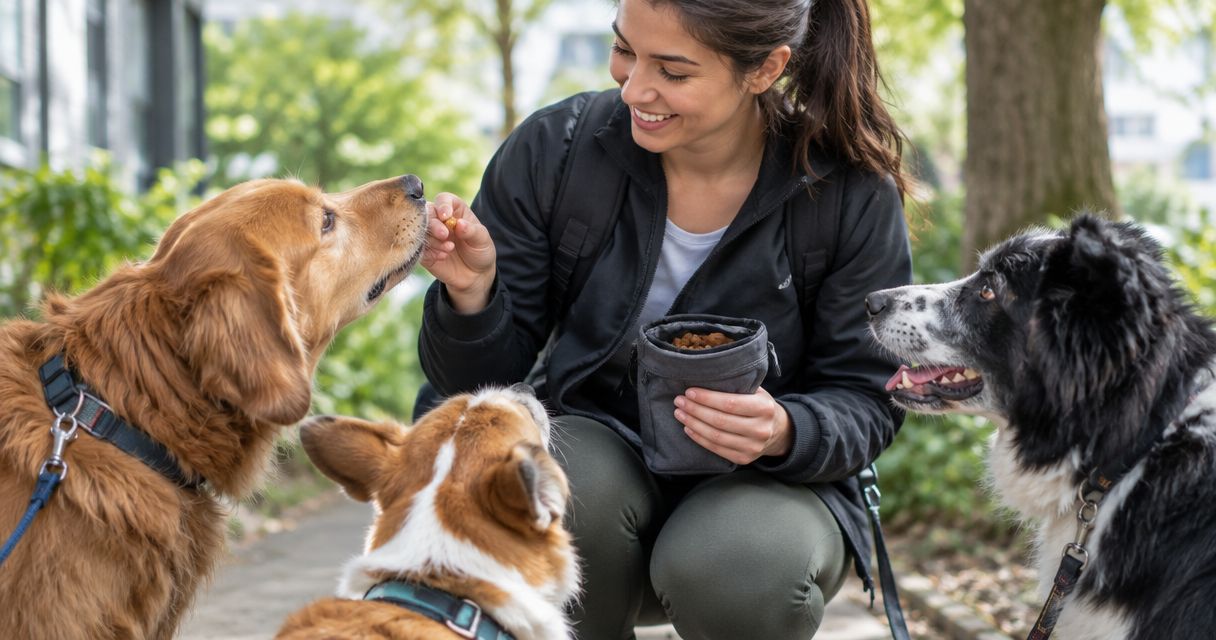
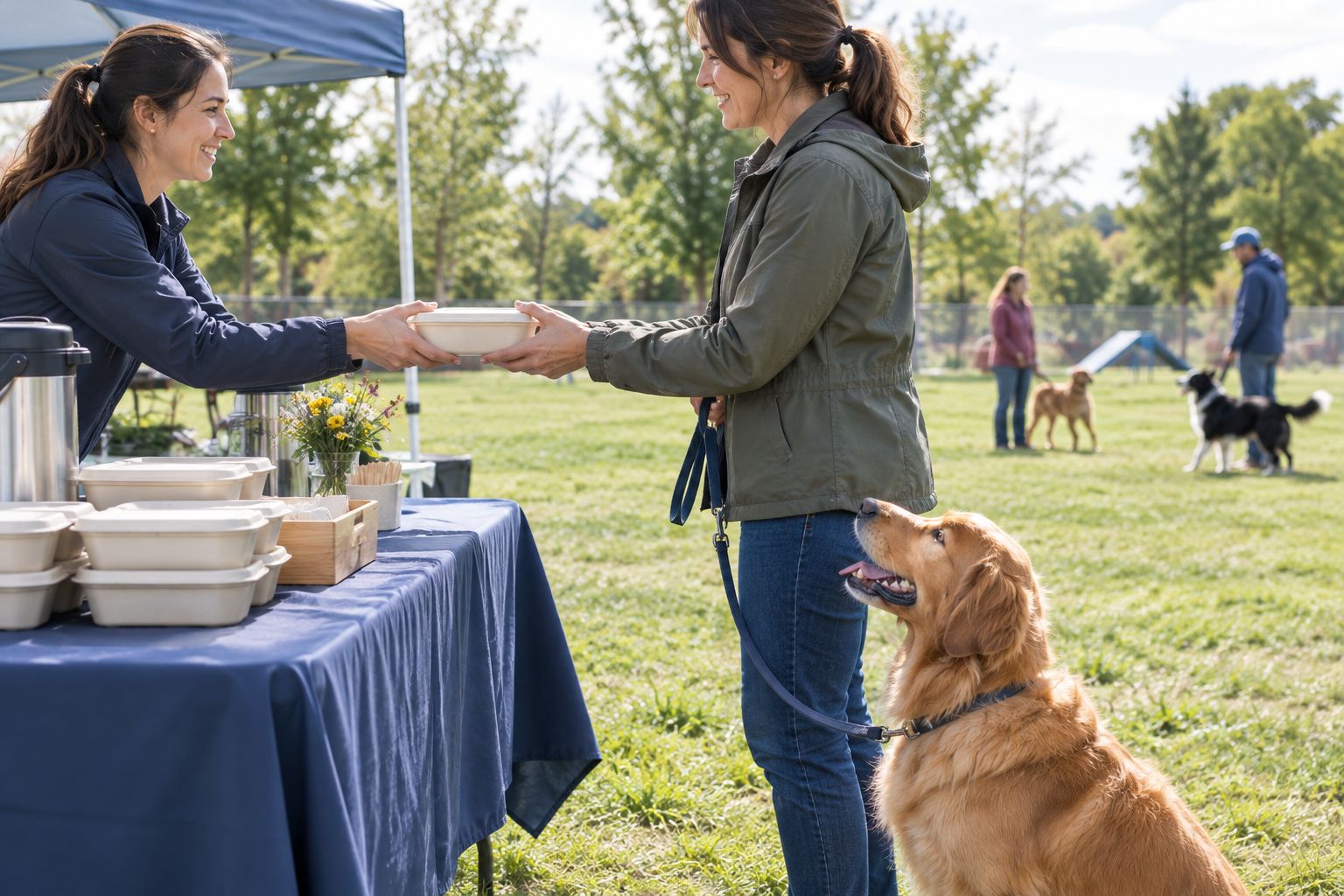
The simplest manual setup is a supervised handoff point away from active play, wherever the venue permits it. Give the food to the handler and let that person decide when to offer it. Do not use treats to attract a group of unfamiliar dogs around a volunteer.
For a scheduled club celebration, separate food service from activities that bring dogs close together. Keep unopened or covered food out of reach, and pause service when dogs crowd the area or handlers cannot maintain space.
A take-home handoff also lets owners choose a quieter setting. It is not permission to ignore storage instructions; handlers still need the information required to transport and serve the food correctly.
- Keep food service separate from active play.
- Hand portions to owners rather than unfamiliar dogs.
- Avoid open bowls accessible to the group.
- Stop service if crowding or tension develops.
- Remove dropped food and wrappers promptly.
7. Send instructions home and record what worked
A successful event ends with clear ownership of the remaining food. Tell handlers what they are receiving, preserve ingredient information, and pass along the supplier's storage instructions. Do not create an unsupported use-by date for leftovers.
For your 2026 club calendar, record the practical decisions worth repeating: whether the venue allowed food, which handoff arrangement worked, and whether handlers preferred familiar rewards or celebration portions. Keep feedback about individual dogs private.
If you choose Dogeatcake dog treats for another gathering, reassess the current item rather than assuming the previous selection covers every event. Participants and dietary requirements change, even when the club's venue stays the same.
- Send ingredient and handling information with take-home food.
- Give remaining portions to the responsible handler.
- Note any problems with crowding or cleanup.
- Ask whether owners preferred on-site or take-home treats.
- Update permission details before the next gathering.
Compare treat options for your group
The best option depends on the activity, not the prettiest display. Owner-supplied rewards reduce uncertainty about what a dog normally eats; bakery treats support a planned celebration but require item-specific checks.
Use this comparison for your 2026 event brief. No option removes the need for venue permission and handler approval.
| Option | Best for | Main advantage | Key limitation |
|---|---|---|---|
| Handler's familiar training rewards | Structured practice with individual handlers | Keeps reward choice with the person who knows the dog | Does not create a coordinated celebration offering |
| Individually handed-over bakery cookies or treats | Owner-managed club gifts | Allows a separate handoff for each participating household | Ingredients, portions, and storage still need checking |
| Custom dog cake | A planned birthday or club celebration | Gives the gathering a shared celebration centerpiece | Requires controlled portioning; unsuitable for communal self-service |
| Owner-prepared homemade treats | Handlers who want control over preparation | Lets the preparer document the recipe used | Recipe details do not establish suitability for other dogs |
| Food-free recognition | Food-restricted venues or dogs skipping treats | Includes participants without requiring eating | Does not serve as a food reward during training |
Dogeatcake offers custom cakes and bakery treats, but a shared event order does not establish that every attending dog can eat the same item. Keep the celebration shared and the feeding decision individual.
Common mistakes dog park and breed-club organizers make
Assuming one breed means one suitable treat
Breed-club members share an interest, not a single feeding plan. Age, size, veterinary diets, and individual tolerance still matter. Ask each handler rather than selecting one serving size or recipe for the entire membership.
Turning the treat table into a gathering point
An open display within dogs' reach invites uncontrolled access. Keep service supervised and hand food to owners. If the layout cannot provide enough separation, choose a permitted take-home handoff instead of feeding on site.
Calling a treat allergy-friendly without checking details
A natural ingredient list is not evidence that a treat meets a particular dog's restrictions. Read the actual item's information and ask about relevant cross-contact concerns. When suitability remains unresolved, skip that item for that dog.
Treating every volunteer as an authorized feeder
Permission given to one handler is not blanket permission for every attendee to feed the dog. Explain the handoff rule before service begins, and make opting out easy. An affectionate greeting does not need a snack attached.
Planning the cake but forgetting the crumbs
Dropped food, open containers, and abandoned wrappers remain part of the event after the celebration ends. Assign cleanup responsibility before serving. Finish by checking the serving area, not just packing away the table.
FAQ
What are the best dog treats for dog parks and breed clubs?
The best treats match the venue rules, the activity, and each handler's approval. Use familiar rewards for individual training and owner-managed bakery portions for celebrations; skip food where it is prohibited.
Can I give treats to other dogs at the park?
Ask the owner first and follow the park's rules. Hand any approved food to the owner rather than feeding an unfamiliar dog directly or attracting dogs into a group.
Are bakery cookies better than dog cake for club events?
Individually handed-over cookies suit separate household handoffs, while cake suits a controlled celebration with managed portions. Neither format is automatically suitable for every dog, so check ingredients and handling instructions.
How many treats can a dog have at a breed-club meetup?
There is no universal treat count for every dog. WSAVA recommends keeping treats below 10% of daily calories, and handlers should account for other rewards and follow any individual veterinary feeding plan.
Can every dog in the same breed club eat the same treats?
No, dogs of the same breed can have different dietary restrictions and serving needs. Obtain permission and ingredient requirements from each handler before choosing group-event food.
Should I choose take-home treats instead of serving them at the event?
Choose a permitted take-home handoff when on-site feeding conflicts with venue rules or makes spacing difficult. Give owners the ingredient information and supplier's handling instructions with the food.
Does Dogeatcake offer treats for a Boston club celebration?
Dogeatcake sells custom dog cakes, cookies, treats, and holiday items, with local pickup/delivery and nationwide shipping. Confirm the chosen item's ingredients, handling requirements, and fulfillment arrangements before planning the event around it.
One last thing
Make the no-treat option feel intentional. Invite every participating household into the group photo or celebration moment, whether their dog eats a bakery treat, receives familiar food from home, or skips food entirely. The most thoughtful pawty plan never makes eating the admission ticket.