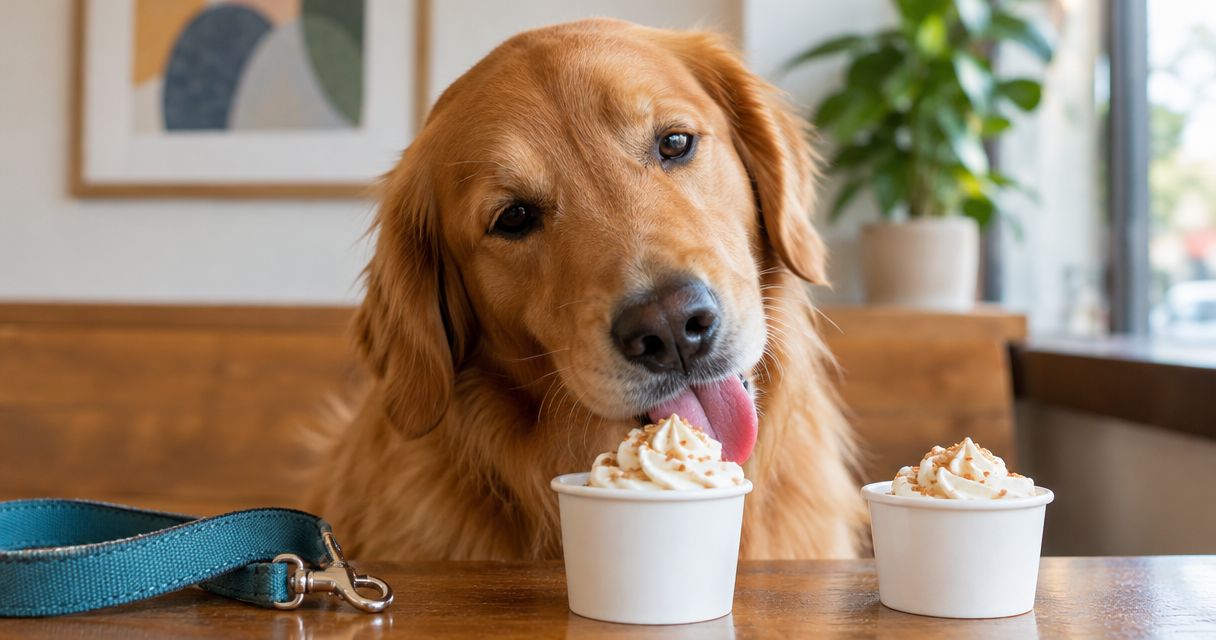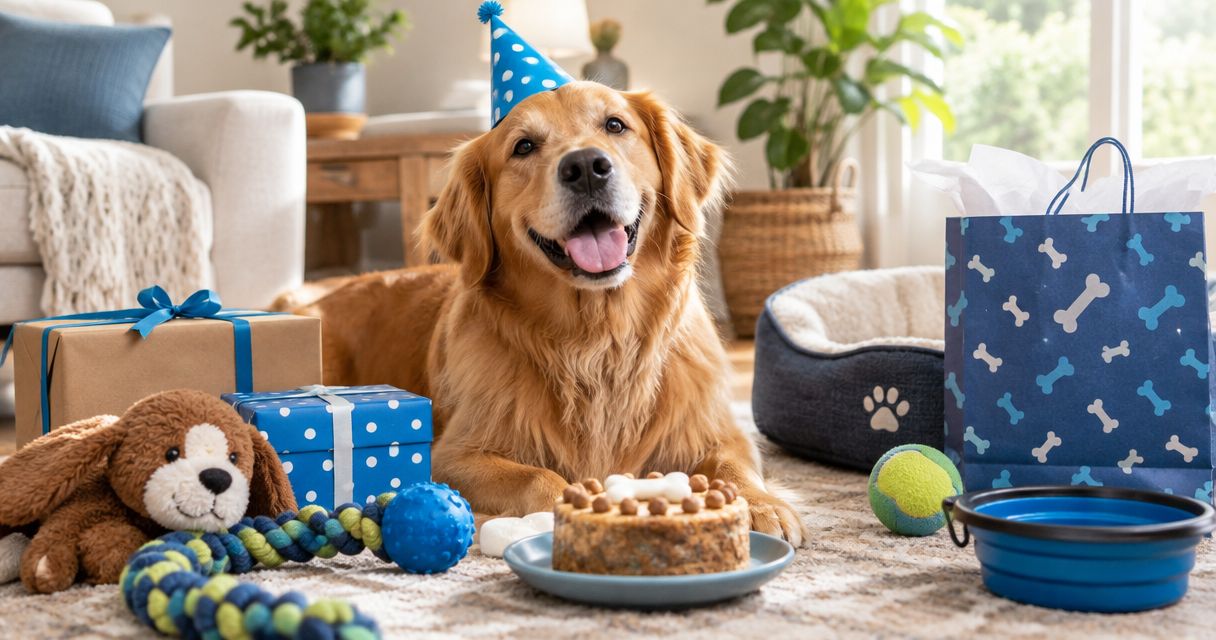
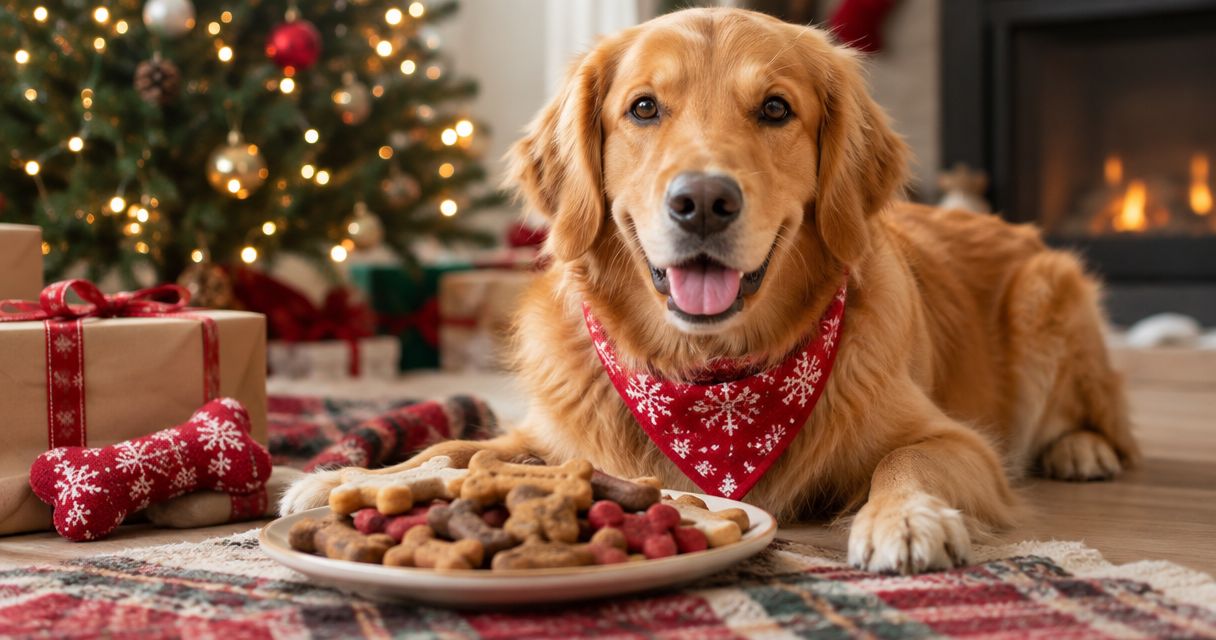
Best overall for a bakery-made holiday gift: Dogeatcake fresh-baked dog cookies. Best for dogs with an established treat routine: their familiar dog treats. Best simple homemade option: plain cooked sweet potato. These holiday treats for dogs cover different needs in 2026, from a wrapped gift to a small snack served during your own celebration.
- Dogeatcake holiday treats for dogs suit owners seeking fresh-baked bakery cookies and a festive gift.
- Familiar dog treats are the first choice when keeping your dog's diet consistent matters most.
- Serve sweet potato or apple plain; remove apple cores and seeds before offering small pieces.
- Keep treats within 10% of daily calories, including holiday snacks and training rewards.
- Choose a pet bakery gift card when you do not know the recipient dog's dietary needs.
Why this matters
A holiday treat should fit your dog before it fits the occasion. A festive shape does not tell you whether a snack suits a sensitive stomach, a prescribed diet, or a dog that swallows food without chewing.
For your 2026 celebration, separate the gift decision from the feeding decision. You can choose something thoughtful and still serve only a small portion. Dogs do not need a full plate to join the pawty.
Chocolate, raisins, grapes, and xylitol do not belong in dog treats. Keep human desserts out of reach, and check every ingredient rather than treating words such as natural or homemade as proof of safety.
What makes the best holiday treats for dogs
Use these criteria to choose your 2026 holiday treats before comparing the options:
- Ingredient clarity: You should be able to identify the ingredients and check them against your dog's dietary restrictions.
- Diet fit: A familiar recipe matters more than seasonal novelty when your dog has a sensitive stomach or follows a prescribed diet.
- Portion control: Choose something you can divide into manageable pieces and account for alongside other treats.
- Texture and shape: Match the snack to how your dog chews. Avoid large pieces that your dog tries to swallow whole.
- Gift suitability: A bakery cookie makes a different gift from a bowl of plain vegetables. Choose for the occasion without sacrificing diet fit.
- Preparation and handling: Follow the maker's storage guidance for purchased treats. Keep homemade snacks plain and handle them as food.
The best holiday treat is the one you can check, portion, and serve appropriately—not the one with the most decoration.
Holiday treats for dogs at a glance
This 2026 comparison ranks options by their distinct use cases. The gift card is included as a gifting alternative, not as an edible treat.
| Rank | Option | Best for | Standout feature | Key limitation |
|---|---|---|---|---|
| 1 | Dogeatcake fresh-baked dog cookies | A bakery-made holiday gift | Fresh-baked cookies from a dog bakery | Check the particular recipe against your dog's needs |
| 2 | Your dog's familiar dog treats | Keeping the treat routine consistent | You already know what you have been feeding | Less of a seasonal surprise |
| 3 | Plain cooked sweet potato | A simple homemade snack | Preparation without icing or seasoning | Requires cooking, cooling, and portioning |
| 4 | Plain apple pieces | A small, crunchy snack | Served fresh without baking | Core and seeds must be removed |
| 5 | Homemade pumpkin-and-oat biscuits | Owners who want to bake | You choose and document the ingredients | Homemade does not establish nutritional suitability |
| 6 | A pet bakery gift card | Gifting when dietary needs are unknown | The owner selects the eventual treat | Not an edible gift on its own |
1. Dogeatcake fresh-baked dog cookies: best for a holiday gift
Dogeatcake is a South End, Boston dog bakery and online shop selling fresh-baked, all-natural cookies, treats, custom cakes, holiday items, and gift cards. For holiday treats for dogs, its cookies are the first pick when you want a bakery-made gift rather than a snack prepared in your kitchen.
The bakery offers local pickup and delivery plus nationwide shipping. Check the details for the item you choose, including ingredients and handling instructions; a bakery's general description does not establish that every recipe fits every dog.
Dogeatcake pros:
- Fresh-baked dog cookies provide a bakery-made option.
- Cookies fit a treat-focused gift without requiring a cake.
- Local pickup and delivery plus nationwide shipping offer different ways to receive an order.
Dogeatcake cons:
- All-natural wording does not establish suitability for allergies or a prescribed diet.
- You still need to confirm the selected item's ingredients and serving guidance.
Best for: Owners seeking a fresh-baked dog-cookie gift.
Verdict: Buy for the bakery-gift experience after checking the recipe against your dog's needs.
2. Familiar dog treats: best for keeping the routine consistent
Your dog's familiar treat is the default when the holiday does not need to bring a dietary change. Present the usual snack as a special moment instead of introducing a new recipe solely because the calendar changed.
This recommendation applies to treats your dog already eats without an observed problem. Previous tolerance is useful information, but it does not override new veterinary advice or a change in health.
Familiar dog treats pros:
- You already have experience feeding the chosen treat.
- Existing packaging gives you a starting point for ingredients and feeding instructions.
- You can keep the celebration separate from introducing unfamiliar food.
Familiar dog treats cons:
- The snack itself offers little seasonal novelty.
- An extra holiday serving still adds to the day's treat intake.
Best for: Dogs whose owners prioritize a consistent treat routine.
Wrap the unopened package for the owner, not for the dog to tear apart. Ribbon, tags, and wrapping belong away from the feeding area.
Verdict: Buy the familiar option when consistency matters more than surprise.
3. Plain cooked sweet potato: best for a simple homemade snack
Plain cooked sweet potato is an option when you want to prepare a small snack without baking biscuits. Cook it until soft, let it cool, and offer a modest portion without butter, salt, spices, or sweet toppings.
Use sweet potato prepared separately from your holiday side dish. A casserole containing marshmallows, rich toppings, or other additions is not the same food as the plain ingredient.
Plain cooked sweet potato pros:
- You control what goes into the preparation.
- Soft cooked pieces do not need a crunchy biscuit texture.
- You can set aside a plain portion before preparing food for people.
Plain cooked sweet potato cons:
- It requires cooking and cooling before serving.
- It does not automatically fit every dog's medical or dietary needs.
Best for: Owners who want a simple, plain snack prepared at home.
Keep the portion small and account for it as a treat. Do not turn a vegetable snack into a substitute for your dog's usual balanced food.
Verdict: Buy the plain ingredient and skip the dressed-up holiday side dish.
4. Plain apple pieces: best for a small, crunchy snack
Plain apple flesh provides a fresh option when you do not want to bake or cook. Wash the apple, remove the core and seeds, and cut the flesh into pieces suited to your dog's size and eating behavior.
Serve the fruit without caramel, chocolate, sweeteners, or pie filling. An apple-based human dessert is not interchangeable with plain apple pieces.
Plain apple pieces pros:
- No baking or cooking is needed.
- You can prepare a small amount for the occasion.
- The ingredient is easy to identify when served plain.
Plain apple pieces cons:
- Preparation must exclude the core and seeds.
- Firm pieces need particular care for dogs that gulp food or struggle to chew.
Best for: Dogs that can comfortably eat appropriately sized pieces of fresh apple.
Watch your dog while eating. If crunchy food is difficult for your dog, choose a suitable alternative rather than making the holiday snack a chewing challenge.
Verdict: Buy for a small fresh snack; skip whole apples and oversized pieces.
5. Homemade pumpkin-and-oat biscuits: best for a holiday baking activity
Homemade pumpkin-and-oat biscuits suit owners who want the preparation itself to be part of the celebration. Use a dog-appropriate recipe and plain pumpkin, not pumpkin pie filling, and check every ingredient before starting.
Keep the ingredient list with the finished biscuits. That matters especially when giving them to another owner: a homemade gift still needs enough information for the recipient to decide whether to feed it.
Homemade pumpkin-and-oat biscuit pros:
- You choose the ingredients used in the recipe.
- You can shape portions for the intended dog.
- Baking creates a hands-on holiday activity.
Homemade pumpkin-and-oat biscuit cons:
- Choosing ingredients yourself does not establish that a recipe suits a particular dog.
- You are responsible for preparation, storage, and communicating ingredients.
Best for: Owners who enjoy baking and will follow a checked recipe.
Do not add human icing or sweeteners to make the biscuits look more festive. A simple shape and thoughtful presentation are enough.
Verdict: Buy the ingredients only after choosing an appropriate recipe; skip improvised substitutions.
6. Pet bakery gift cards: best when dietary needs are unknown
A pet bakery gift card is the strongest gifting option when you do not know what the recipient's dog eats. It lets the owner choose the eventual treat instead of asking them to accept your ingredient decisions.
This is not an edible recommendation. It is a way to give a dog-focused holiday present while leaving the feeding choice with the person who knows the dog.
Pet bakery gift card pros:
- The owner chooses the treat.
- You do not need to guess about ingredient restrictions.
- The recipient decides when to use the gift.
Pet bakery gift card cons:
- There is no snack to serve immediately.
- The owner still needs to check the selected food and the card's terms.
Best for: Gifts for dogs whose diets you do not know well.
Add a personal note rather than an unverified edible extra. The thoughtful part is remembering the dog, not filling a parcel with unfamiliar food.
Verdict: Buy a gift card when you cannot confidently choose an edible gift.
How to serve holiday treats without overdoing it
Veterinary nutrition guidance generally limits treats to 10% of a dog's daily calories, leaving at least 90% of daily calories for a complete and balanced diet. A dog with a prescribed diet needs its veterinarian's specific guidance instead of a general holiday rule.
For illustration only, if a veterinarian sets a dog's daily intake at 200 kilocalories, a 10% treat allowance equals 20 kilocalories. That is arithmetic, not a feeding recommendation for your dog; daily needs differ.
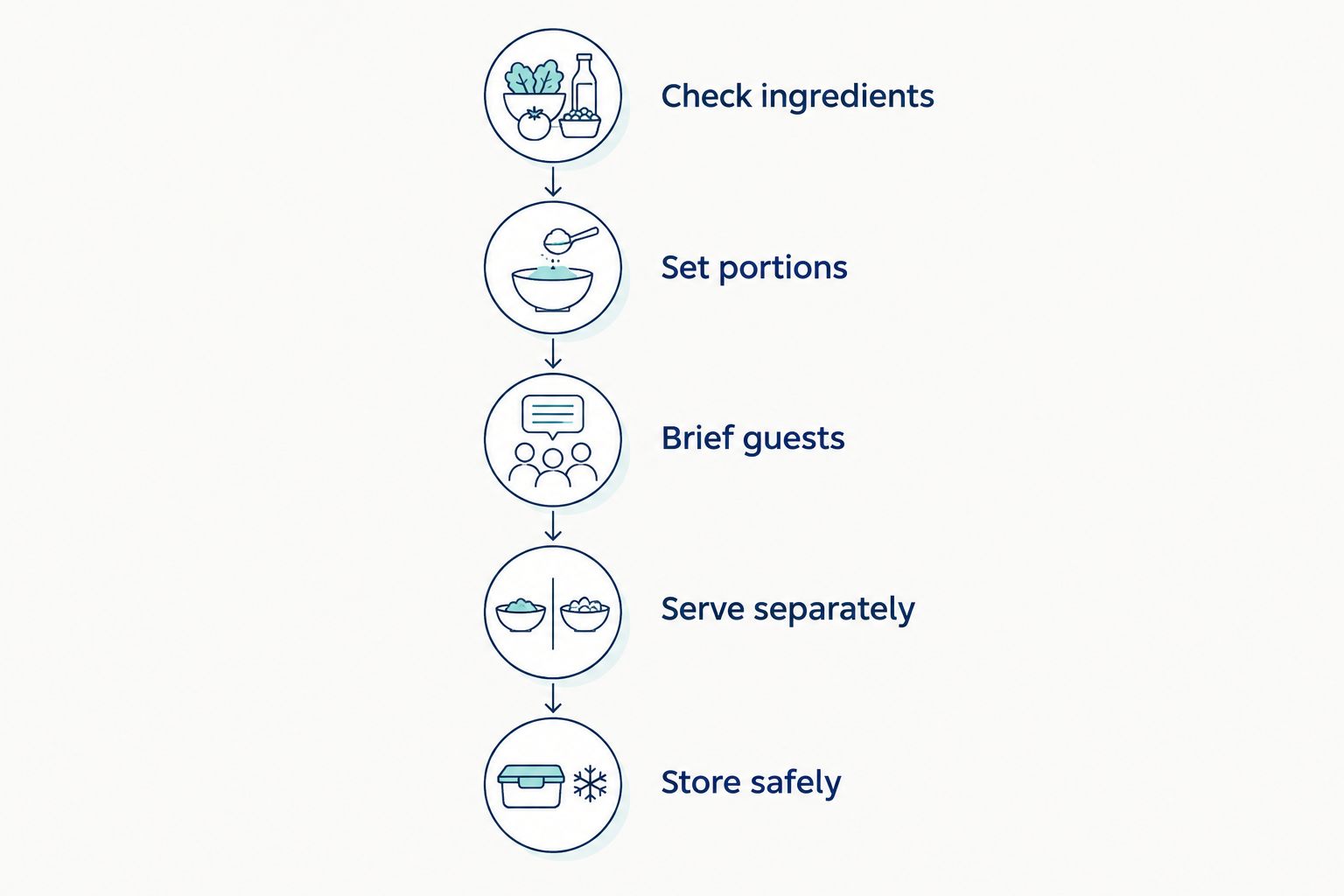
Use this sequence before the first snack comes out:
- Check ingredients: Read the full list and confirm any dietary restrictions.
- Set portions: Include training rewards and other snacks in the day's treat allowance.
- Brief guests: Put one person in charge of handing out treats.
- Serve separately: Keep dog snacks apart from human desserts and wrapping materials.
- Store safely: Follow the item's instructions and put leftovers out of reach.
Guests often see only the treat they give, not the treats everyone else has already handed out. A shared portion plan prevents the celebration from becoming an untracked buffet.
How the options rank
This 2026 ranking uses ingredient clarity, diet fit, portion control, texture, gift suitability, and preparation requirements. It separates a bakery gift from a familiar daily treat, a homemade snack, a baking activity, and a recipient-selected gift.
The order is not a claim that one recipe is nutritionally better than every alternative. Choose by use case, then check suitability for the individual dog. A prescribed diet takes priority over the ranking.
Which holiday treats for dogs should you choose?
Dogeatcake holiday treats for dogs are best for owners seeking a fresh-baked bakery gift. Choose cookies for that purpose, familiar treats for consistency, or a gift card when the recipient's dietary needs are unknown.
For an undecided reader planning a 2026 holiday, start with the dog's existing diet. Pick the gift format second. That order keeps the celebration affectionate without making the snack an experiment.
Find your dog's holiday treat
Explore fresh-baked dog cookies, treats, holiday items, and gift cards.
FAQ
What's the best holiday treat for my dog?
The best holiday treat fits your dog's diet and can be served in an appropriate portion. Choose a bakery cookie for gifting, a familiar treat for consistency, or a plain homemade snack after checking suitability.
Are human Christmas cookies safe for dogs?
Do not offer human Christmas cookies without checking every ingredient. Chocolate, raisins, and xylitol are unsafe for dogs, and a cookie's appearance does not reveal what it contains.
Can dogs eat pumpkin holiday treats?
Dogs can have plain pumpkin as an occasional snack when it fits their diet. Pumpkin pie filling and pumpkin desserts are different foods; check the complete recipe before serving a pumpkin-based treat.
How many holiday treats can I give my dog?
Use calories rather than a universal number of treats: general veterinary nutrition guidance limits treats to 10% of daily calories. Include all snacks and training rewards, and follow your veterinarian's instructions for a prescribed diet.
Are all-natural dog treats automatically safe?
No, all-natural wording does not establish that a treat suits every dog. Check the actual ingredients, serving guidance, and any restrictions related to your dog's health.
What should I give a dog when I don't know its allergies?
Give the owner a pet bakery gift card rather than choosing an edible treat without knowing the dog's restrictions. The owner can select food that fits the dog's diet.
What should I do if my dog eats chocolate or a xylitol-containing treat?
Contact a veterinarian or animal poison-control service immediately. Keep the packaging and report what your dog ate, the estimated amount, and when it happened; do not wait for symptoms or induce vomiting unless instructed.
One last thing
The guest list matters as much as the ingredient list. Even a carefully selected treat loses its portion plan when every visitor hands out another piece. Put the day's dog snacks in one supervised place, tell guests who is serving them, and let affection—not extra food—fill the rest of the holiday.