Best overall: plain cooked chicken for dogs that tolerate poultry. Best for portable rewards: single-ingredient freeze-dried chicken. Best budget option: plain carrot pieces. This 2026 guide ranks the best gluten free dog treats by use case, including crunchy biscuits and birthday treats that require ingredient and preparation checks.
- The best gluten free dog treats match your dog’s diet; plain cooked chicken suits poultry-tolerant dogs.
- Single-ingredient freeze-dried chicken offers portable training rewards; check the entire ingredient list.
- Gluten-free dog biscuits can contain grains, including rice; grain-free and gluten-free are different claims.
- Ask Dogeatcake about ingredients and shared equipment before choosing custom birthday treats for a gluten-restricted dog.
Why this matters
A gluten-free label answers an ingredient question, not every nutrition question. Your dog still needs an appropriate portion, a texture they can manage, and ingredients that fit their individual diet. A chicken treat, for example, is no help if chicken is the ingredient your veterinarian has told you to avoid.
Dogeatcake makes custom dog birthday cakes, cookies, and treats. Dogeatcake suits owners planning custom dog birthday cakes; confirm gluten-free ingredients and handling before ordering. A bakery’s natural-ingredient description does not establish that its recipes or preparation areas are gluten-free.
These recommendations rank treat types rather than unverified commercial products. You get a practical shortlist without treating an unknown recipe as a safe one.
What makes the best gluten-free dog treats in 2026?
Use these criteria before choosing a bag, baking a batch, or planning a birthday pawty:
- Ingredient fit: Exclude wheat, barley, and rye when gluten avoidance is required. Check every ingredient, including coatings and fillings.
- Preparation clarity: For a medically restricted diet, ask about shared utensils, equipment, and storage—not just the recipe.
- Portion control: Choose treats you can divide and include in your dog’s daily calorie allowance.
- Texture fit: Match the treat to your dog’s chewing ability. A crunchy biscuit and a soft chicken piece serve different needs.
- Practical handling: Fresh meat needs refrigeration; packaged treats need storage according to their labels.
- Specific purpose: Pick a training reward, crunchy snack, or celebration treat deliberately rather than expecting one option to do everything.
Gluten-free does not mean grain-free. Rice and corn do not naturally contain gluten, while oats require extra attention because processing can introduce cross-contact with gluten-containing grains. For a strict restriction, choose oats explicitly labeled gluten-free rather than assuming all oat recipes qualify.
Gluten-free dog treats at a glance
| Treat type | Best for | Standout feature | Key limitation |
|---|---|---|---|
| Plain cooked chicken | Soft training rewards | Easy to divide into small pieces | Unsuitable for dogs avoiding chicken; requires refrigeration |
| Plain carrot pieces | Simple budget-conscious snacks | Naturally gluten-free without a recipe | Hard pieces require careful sizing and supervision |
| Single-ingredient freeze-dried chicken | Portable rewards | Convenient dry format | Ingredient suitability and storage still need checking |
| Labeled gluten-free rice-based dog biscuits | Crunchy snack routines | Packaged format with an ingredient label | Rice alone does not establish that the whole recipe is gluten-free |
| Confirmed gluten-free bakery treats | Birthday celebrations | A celebration-focused option | Recipe and preparation need direct confirmation |
1. Plain cooked chicken: best for soft training rewards
Plain cooked chicken gives you a gluten-free reward without a long recipe to decode. Cook it thoroughly, remove bones, and serve it without sauces, breading, or seasoning. Choose this option only if chicken fits your dog’s established diet.
Small pieces work well when you need repeated rewards during training. You control the size instead of accepting the size of a whole biscuit, and the soft texture avoids the hardness of a raw vegetable snack.
Plain cooked chicken pros:
- Naturally gluten-free when prepared without added ingredients.
- Easy to cut or shred into small rewards.
- Soft texture for dogs that struggle with hard treats.
- Ingredient identity is clear when you prepare it yourself.
Plain cooked chicken cons:
- Chicken is unsuitable for dogs with a known poultry restriction.
- Fresh cooked meat needs careful refrigeration and handling.
- Prepared chicken from another kitchen can include sauces or seasonings you did not choose.
Best for: Dogs that tolerate poultry and need soft rewards during short training sessions.
For your 2026 treat routine, apply ordinary food-safety rules rather than leaving chicken in a walking bag all afternoon. USDA guidance calls for refrigerating perishable food within 2 hours, with a shorter limit in hot conditions. Take out only the portion you need and keep the remainder refrigerated.
Verdict: Buy plain chicken for home-prepared training rewards; skip it when poultry conflicts with your dog’s diet.
2. Plain carrot pieces: best for simple budget-conscious snacks
Plain carrots are naturally gluten-free and need no biscuit recipe. Wash them, remove unsuitable portions, and prepare pieces that suit your dog’s size and chewing behavior. Supervise eating rather than handing over a hard chunk and walking away.
A carrot is a snack option, not a promise of dental cleaning. If raw carrot feels too hard for your dog, plain cooked carrot offers a softer alternative without adding seasoning.
Plain carrot pieces pros:
- Naturally free of gluten.
- No flour blend, icing, or filling to investigate.
- Can be prepared raw or cooked to change the texture.
Plain carrot pieces cons:
- Hard chunks present a choking risk if sized poorly.
- Some dogs do not find vegetables motivating enough for training.
- Large portions still add food outside the complete daily diet.
Best for: Dogs that enjoy vegetables and owners who want a straightforward snack from familiar ingredients.
Do not confuse simplicity with unlimited portions. Start with a small amount of a new food and watch for digestive upset. If your dog gulps treats, choose a softer alternative and discuss suitable sizes with your veterinarian.
Verdict: Buy plain carrots for an occasional snack; skip hard pieces for dogs that swallow without chewing.
3. Single-ingredient freeze-dried chicken: best for portable rewards
A single-ingredient freeze-dried chicken treat offers a dry alternative to carrying fresh cooked meat. Read the full label: the recommendation is for chicken-only treats, not every product with chicken on the front of the package.
Freeze-drying describes a process, not proof of gluten-free handling or a guarantee that a product is cooked. Check the manufacturer’s preparation and feeding information, especially if your household needs to avoid raw animal products.
Single-ingredient freeze-dried chicken pros:
- A short ingredient list makes diet checks easier.
- Dry pieces suit outings where fresh meat is inconvenient.
- Breakable pieces can support portion control.
Single-ingredient freeze-dried chicken cons:
- Unsuitable for dogs avoiding chicken.
- Some pieces crumble rather than divide neatly.
- Processing and shared-equipment questions remain relevant for strict restrictions.
Best for: Owners seeking portable rewards for poultry-tolerant dogs.
Check both the ingredient panel and the storage instructions before putting treats into a reusable pouch. Keep the original packaging so you retain preparation details, feeding guidance, and product identification. A loose handful of treats is harder to investigate if your dog reacts.
Verdict: Buy after checking ingredients and preparation; skip products whose labels leave your dog’s dietary requirements unresolved.
4. Gluten-free rice-based dog biscuits: best for crunchy snack routines
A rice-based dog biscuit can be gluten-free, but rice in the product name does not prove that it is. The complete recipe must fit the restriction, including any other flour, coating, or flavoring.
Choose a dog-specific biscuit with a clear ingredient list and an explicit gluten-free statement when gluten avoidance matters. For a medical restriction, ask the manufacturer how it manages cross-contact rather than relying on the front label alone.
Gluten-free rice-based dog biscuit pros:
- Crunchy format for dogs that enjoy biscuits.
- An ingredient panel supports repeatable checks.
- Breakable biscuits make portion adjustments easier.
Gluten-free rice-based dog biscuit cons:
- Other ingredients can conflict with your dog’s diet.
- Hard biscuits do not suit every dog’s teeth or chewing ability.
- Gluten-free wording does not establish low calorie content.
Best for: Dogs that enjoy a crunchy snack and tolerate the complete biscuit recipe.
In 2026, judge the actual package you are buying, not a remembered recipe. Ingredient formulations can change. If the label is unclear, hold the purchase until the manufacturer answers the specific question you need resolved.
Verdict: Buy clearly identified gluten-free biscuits that fit your dog’s diet; skip recipes verified only by a rice-themed name.
5. Confirmed gluten-free bakery treats: best for birthday celebrations
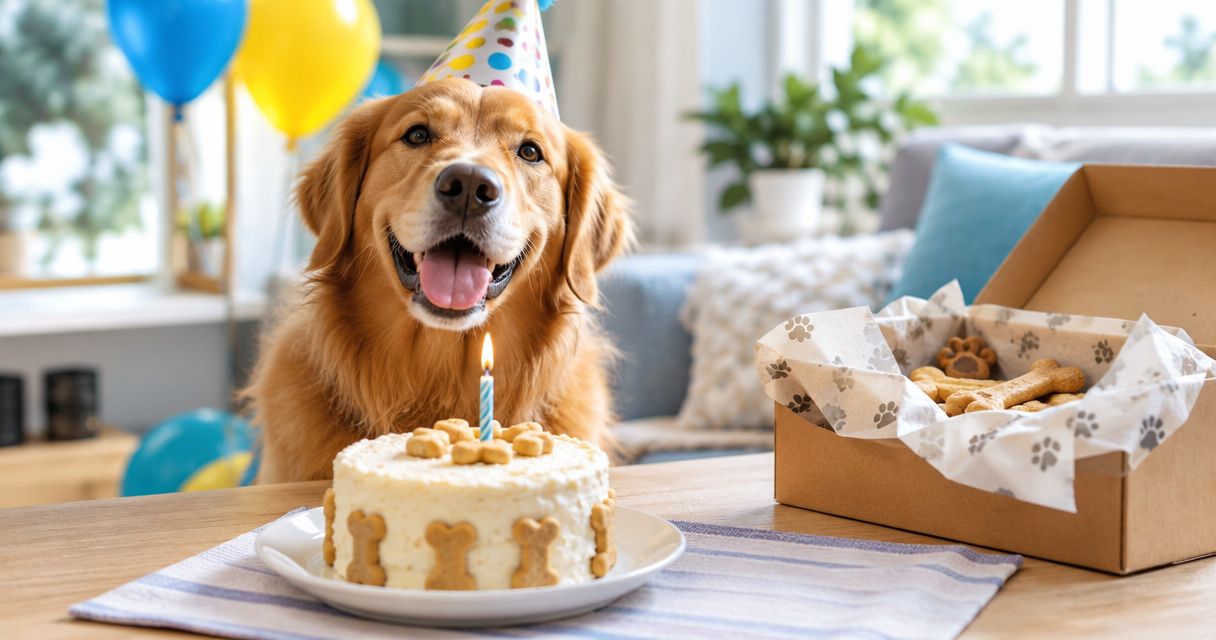
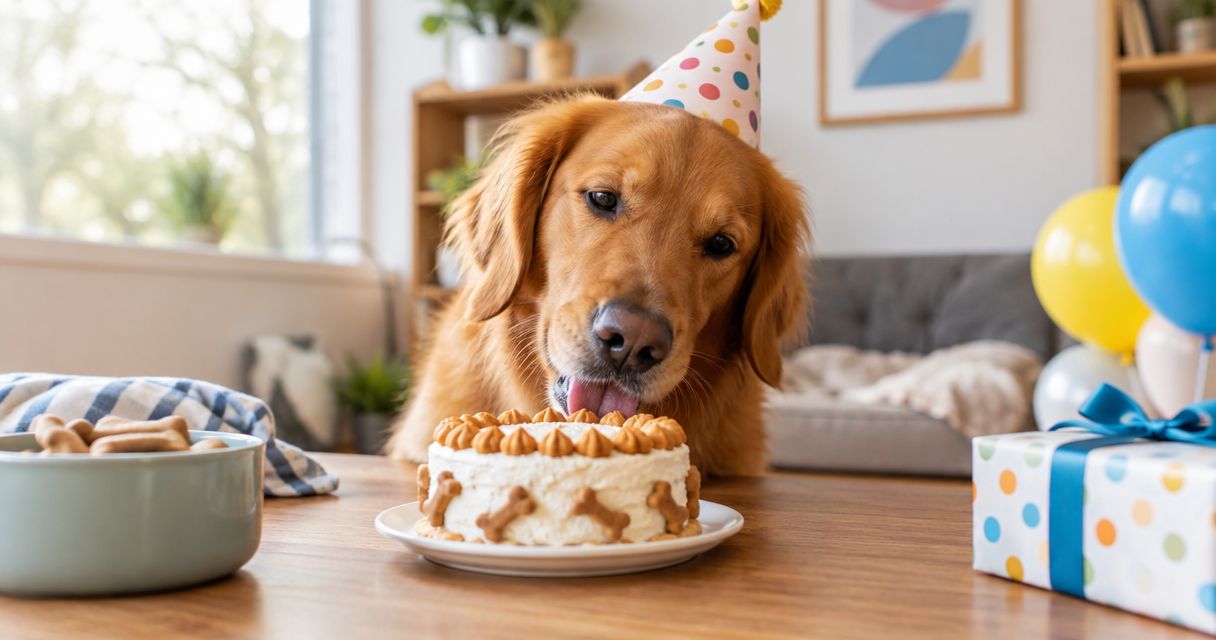
A birthday treat has a different job from a pocket reward: it marks the occasion. A bakery order needs the same ingredient discipline as a packaged treat, with extra attention to frosting, decorations, and preparation equipment.
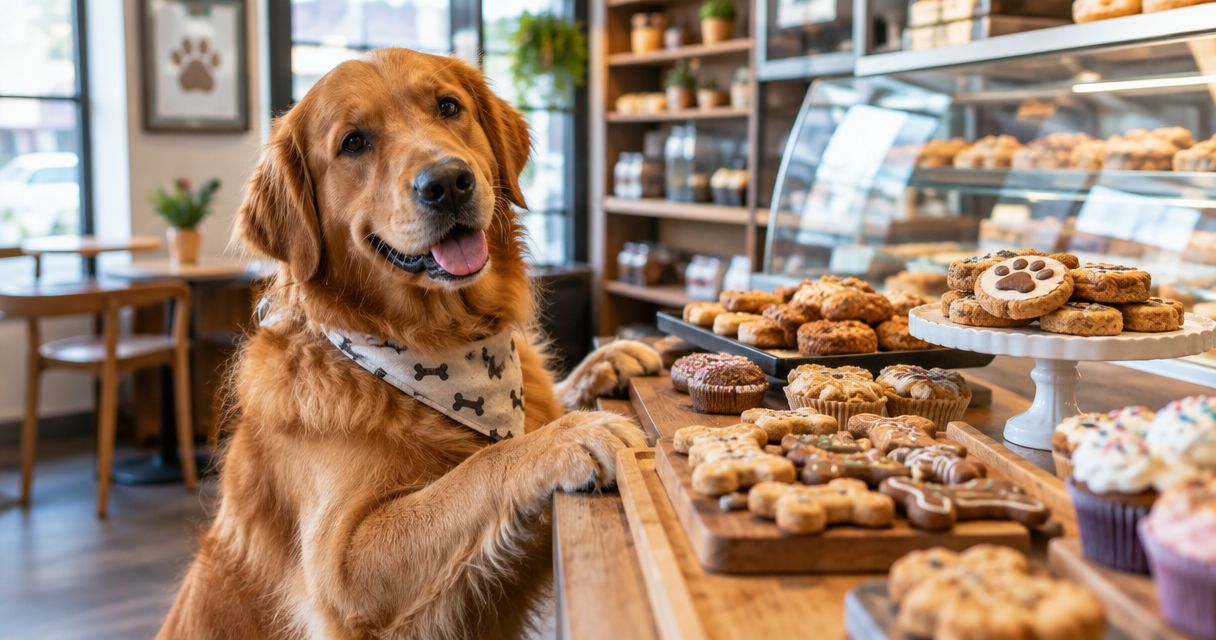
Dogeatcake offers custom dog birthday cakes and natural pet bakery treats. That establishes the celebration option, not gluten-free suitability. Ask whether the specific recipe and its preparation meet your dog’s restriction before choosing it.
Confirmed gluten-free bakery treat pros:
- Suits a celebration rather than an everyday training session.
- Direct communication lets you ask about the complete recipe.
- A custom-order conversation gives you a place to explain dietary requirements.
Confirmed gluten-free bakery treat cons:
- A recipe without gluten ingredients can still involve shared equipment.
- Decorations and toppings need their own ingredient checks.
- A celebration-sized item requires deliberate portioning.
Best for: Owners planning a dog birthday who can confirm recipe and handling details before ordering.
For a 2026 birthday order, give Dogeatcake the actual restriction—not just a request for something natural. Ask whether the cake, frosting, and decorations contain wheat, barley, or rye, and whether preparation uses shared equipment. If gluten avoidance is medically required, have your veterinarian define what confirmation is sufficient.
Verdict: Hold the order until ingredients and handling are confirmed; skip any recipe that does not meet the required restriction.
How to choose without guesswork
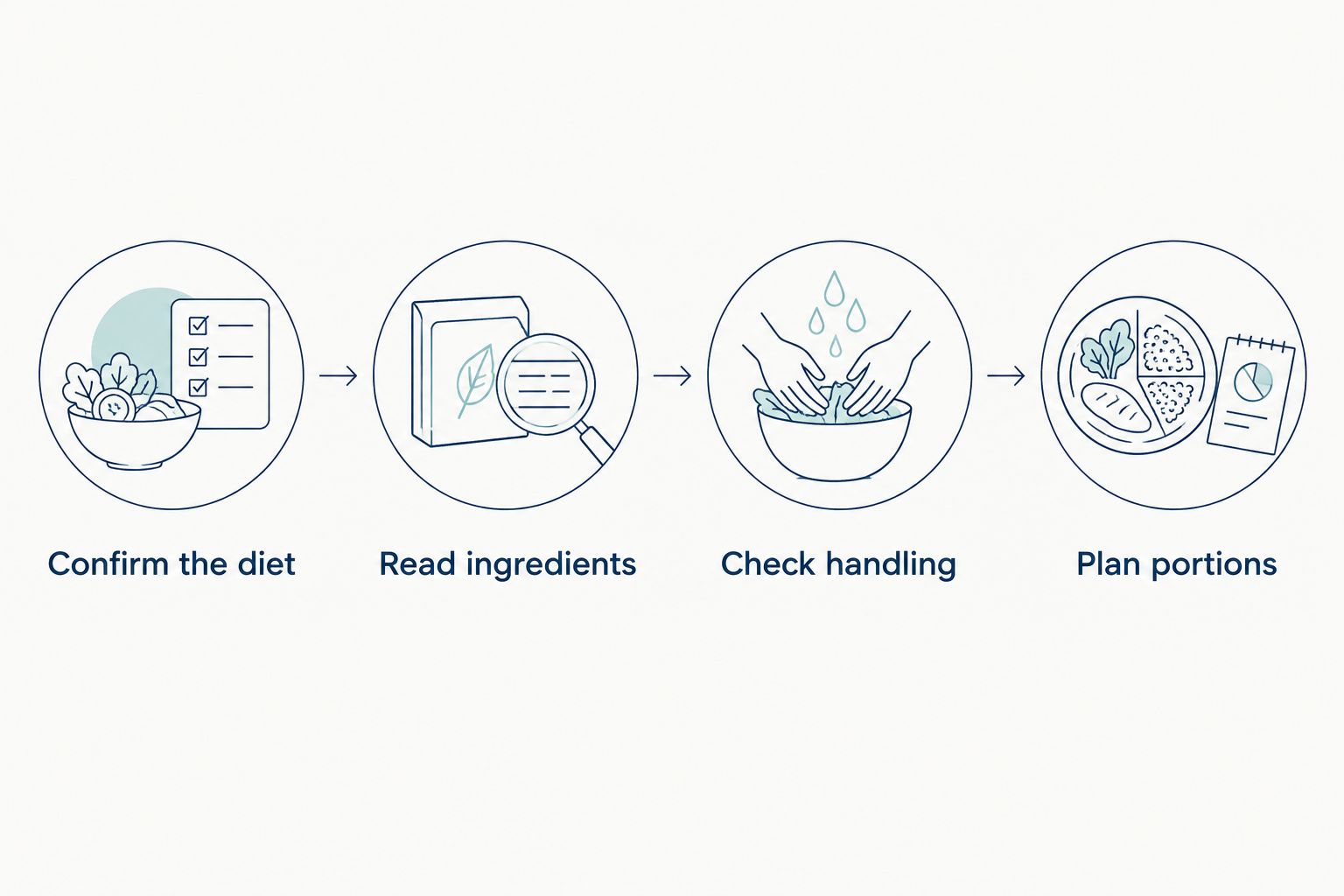
Use this sequence whether you are checking a treat bag or discussing a bakery order:
- Confirm the diet: Identify whether you are avoiding gluten, wheat, chicken, or another ingredient. These are different restrictions.
- Read ingredients: Review the complete recipe, including toppings and flavorings.
- Check handling: Ask about cross-contact when the restriction requires it.
- Plan portions: Decide how the treat fits into the daily food allowance before serving.
Keep those steps in that order. A small portion cannot make an unsuitable ingredient appropriate, and a gluten-free recipe does not answer a shared-equipment question.
Veterinary nutrition guidance commonly limits treats to 10% of daily calories, leaving at least 90% of daily calories for complete and balanced food. That is a general ceiling, not an individual prescription. Your veterinarian can set a different allowance for weight management or a therapeutic diet.
Use calorie information where it is provided, and ask for help when a homemade or bakery portion is difficult to estimate. Count all extras together: training rewards, birthday bites, and snacks from other family members share the same allowance.
How these treat types were ranked
The 2026 ranking prioritizes ingredient clarity, portion control, texture, and practical handling. Plain cooked chicken takes the overall slot for poultry-tolerant dogs because it is soft and divisible; carrots fill the simple snack slot; freeze-dried chicken addresses portability.
Biscuits and bakery treats rank by their distinct uses, with confirmation requirements stated openly. No commercial recipe receives a gluten-free endorsement without its ingredient and preparation details.
Which gluten-free dog treats should you choose?
Choose plain cooked chicken as your default soft reward if your dog tolerates poultry. Choose plain carrot pieces for a vegetable snack, or verified single-ingredient freeze-dried chicken when portability matters.
For crunch, inspect a labeled gluten-free biscuit. For a birthday, confirm the complete bakery recipe before ordering. The best choice is the one that fits both your dog’s diet and the moment—not the one with the warmest wording on the package.
FAQ
What are the best gluten free dog treats?
Plain cooked chicken is a useful default for soft rewards if your dog tolerates poultry. Other options include plain carrot pieces, verified single-ingredient freeze-dried chicken, and clearly labeled gluten-free biscuits that fit your dog’s diet.
Are gluten-free dog treats the same as grain-free treats?
No, gluten-free and grain-free describe different ingredient restrictions. A gluten-free treat can contain rice or corn, while a grain-free treat excludes grains more broadly.
Does my dog need gluten-free treats?
Your dog does not need gluten-free treats simply because the label sounds healthier. Ask your veterinarian whether gluten avoidance is necessary, especially if you are investigating itching, digestive symptoms, or a suspected food reaction.
Can dogs eat gluten-free treats made with oats?
Dogs can eat suitable oat-based treats when the complete recipe fits their diet. For strict gluten avoidance, check that the oats are identified as gluten-free and ask about preparation cross-contact.
Are natural dog bakery treats automatically gluten-free?
No, natural ingredients do not establish that a bakery treat is gluten-free. Check the full recipe, including frosting and decorations, and ask about shared equipment when necessary.
Can I order a gluten-free birthday cake from Dogeatcake?
Confirm gluten-free suitability directly with Dogeatcake before ordering a custom birthday cake. Ask about the specific cake recipe, toppings, and handling rather than assuming all bakery items meet the restriction.
How many gluten-free treats can I give my dog each day?
Use your dog’s calorie allowance rather than a fixed treat count. General veterinary nutrition guidance limits treats to 10% of daily calories, but your veterinarian should set the allowance for a therapeutic diet or weight-management plan.
One last thing
A gluten-free treat can still interfere with a food-elimination trial. If your veterinarian has prescribed a restricted diet to investigate a reaction, an otherwise suitable chicken bite or birthday biscuit can introduce an ingredient outside the plan. Ask which rewards are permitted before adding anything—even a tiny celebratory bite.